Get updates from The Developer straight to your inbox Yes, please!




“Climate resilience is an investment decision”
Our understanding of climate resilience is maturing as threats come into view, but we must be proactive to protect investments into places and buildings in the long run


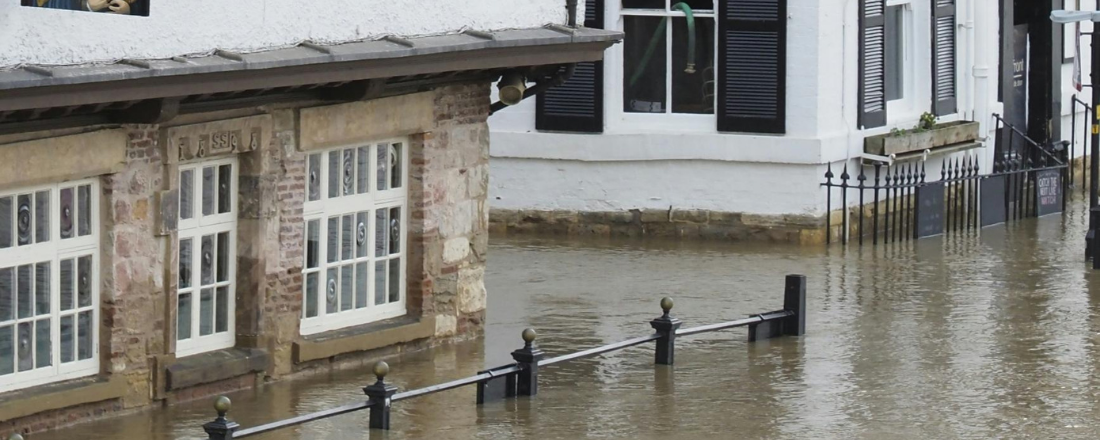
Climate risks are no longer theoretical – as this summer’s heatwave has shown – and investing in resilience up front is less costly than remediation afterwards, two leading experts in sustainability risk told the audience at this week’s Festival of Place: Climate Resilience.
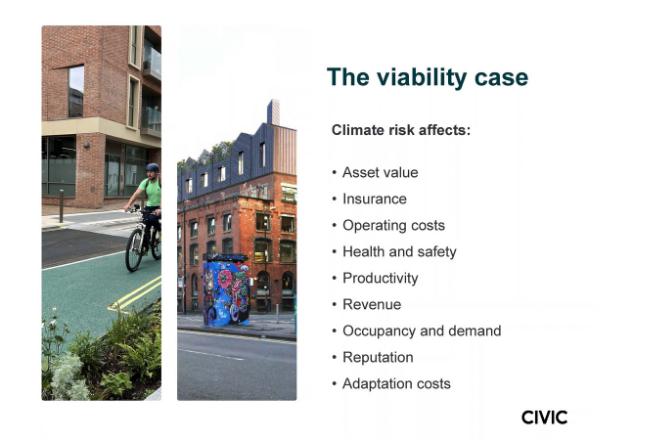
“Climate resilience is still being considered a nice-to-have” when designing places, Olivia O’Brien, Head of Climate Resilience at Civic warns the audience, however “there’s loads of different social, operational and financial implications that can affect viability when it comes to unaddressed climate risk.”
Take the case of overheating: The value of a project could be threatened by a change in policy regarding overheating in the workplace, falling productivity or health and safety implications. At the very least, an uncomfortable workplace can lead to low occupancy rates and a loss of revenue.
The question is not whether to invest in resilience, it’s where to start and choosing wisely. The UK Climate Change Committee’s A Well-Adapted UK report estimated £11 billion per year is required in investment to adapt the built environment.
At a time of challenged viability, risks will need to be prioritised for investment. It may not be possible for developers, investors and owners to do it all at once.
For O’Brien, that means encouraging each project to undertake a place-based analysis of its unique climate risks. "Identify what those risks could be, what risks might affect your asset now, and in the future, and prioritise what interventions can make an impact."
Designing in resilience is significantly less expensive than adaptation down the line, adds O’Brien.
Viability & Climate: Making the investment case for resilience at Festival of Place: Climate Resilience 2026
For developers and investors that own a number of assets, Charlotte Lyons High, Sustainability Risk Director at the Crown Estate encourages taking both a bottom-up and a top-down approach to assessing risk across the portfolio.
The Crown Estate has partnered with Smart Resilience to provide granular climate resilience insights on key projects. But the developer also identified the need for insights across the portfolio to prioritise investment decisions.
Using publicly available climate data, the Crown Estate has developed a new Geographic Information System (GIS) mapping tool that quantifies the risk of five hazards across the UK for the year 2030, 2050, 2070 and 2100, which also estimates the financial cost each risk poses in terms of property damage or business interruption.
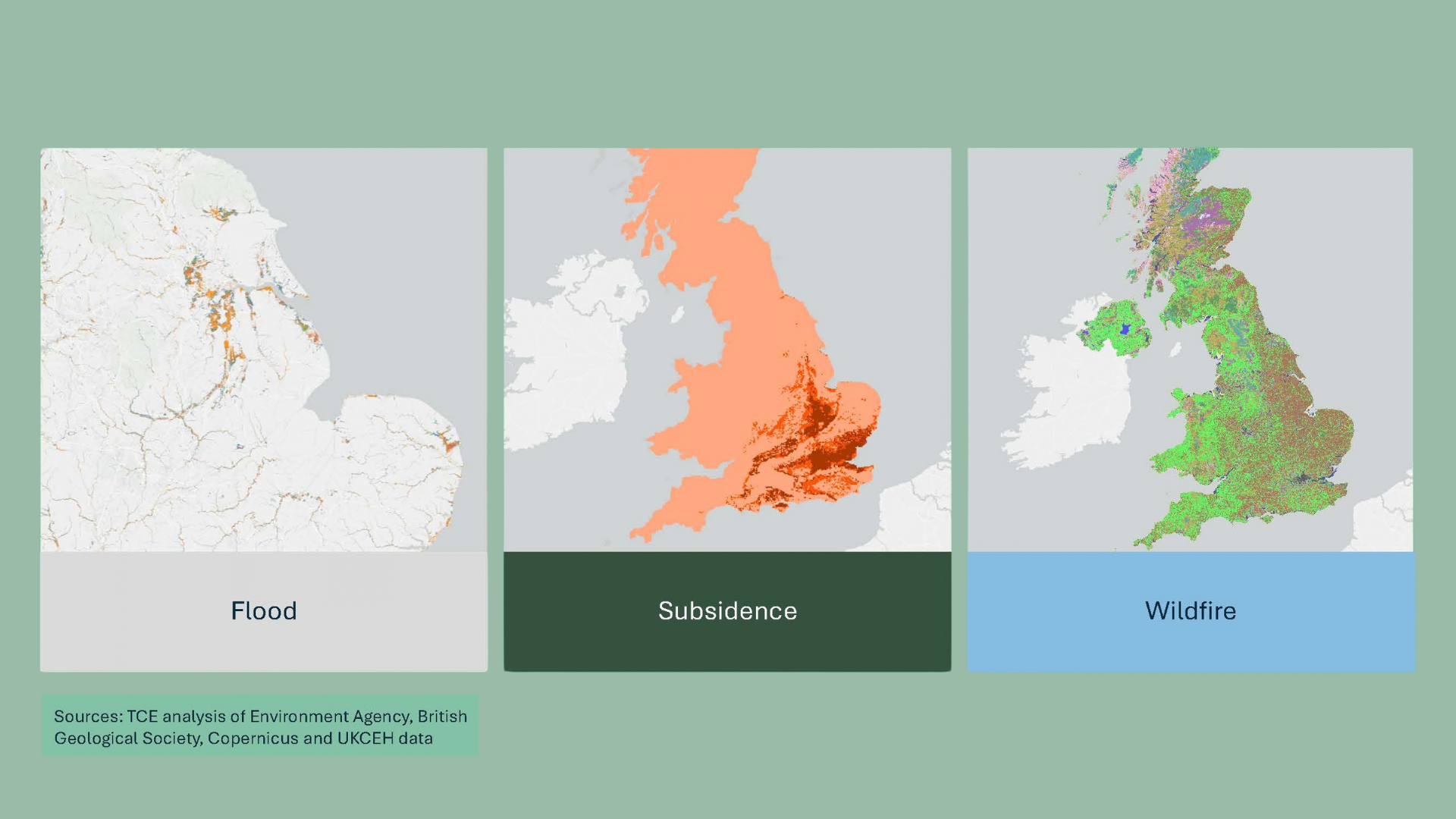
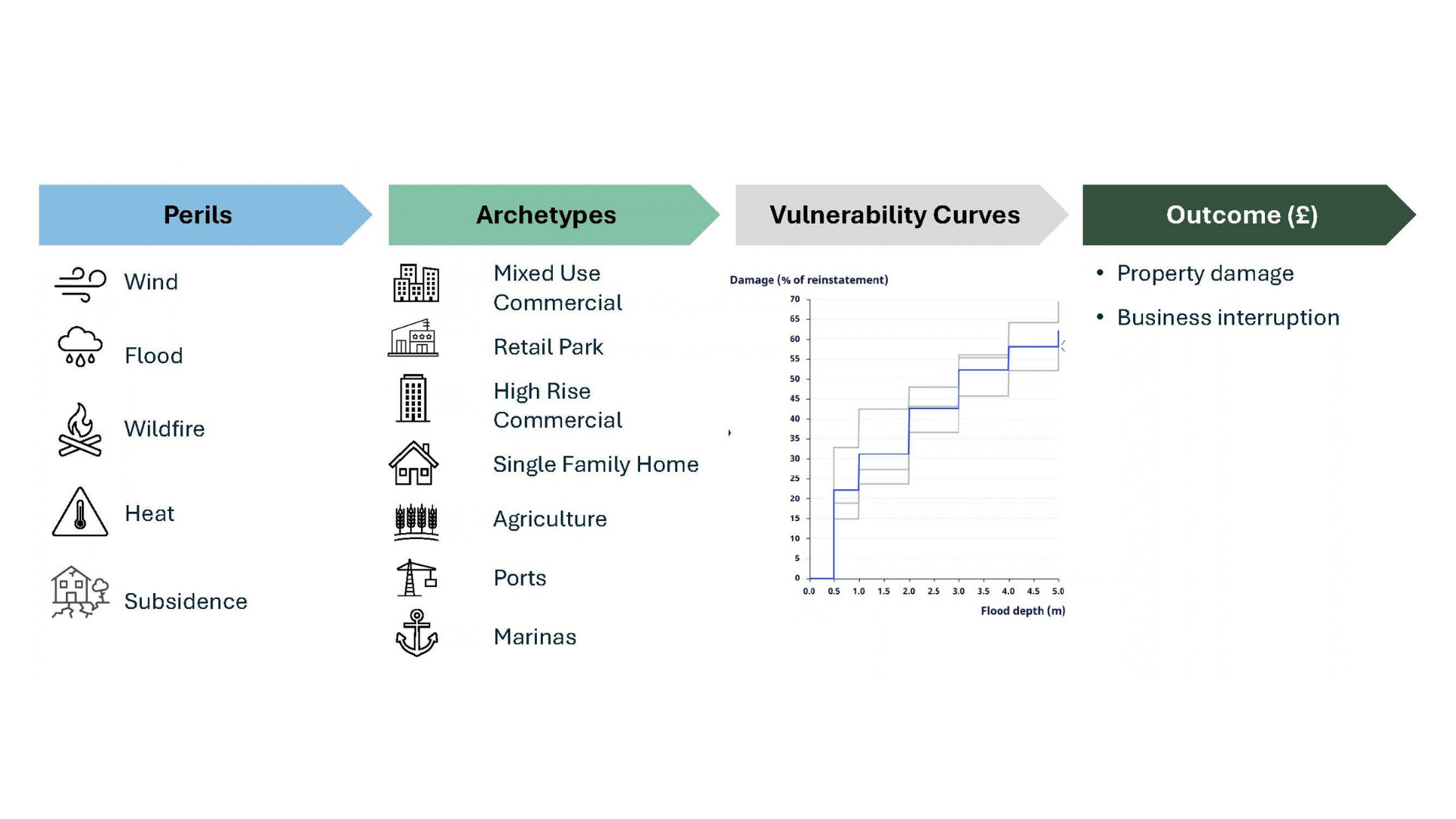
Lyons High says the tool was built to help the organisation understand the financial implications of climate hazards. The perils tracked by the GIS tool include flood, wind, heat, wildfire and subsidence across a range of archetypes, including mixed-use, retail park, agricultural land, ports, commercial property and more.
“In simple terms, they enable us to move from understanding where hazards are located to understanding the impacts those hazards may have. So we can start asking questions like, ’What level of physical damage might occur? How much operational damage or disruption could be created? What might those impacts mean financially?’”
While the data is not perfect – for example, it does not take into account how a year of drought might worsen flood risk – Lyons High says it nevertheless affords a more mature knowledge of climate resilience. “We wanted to create something practical that could be developed quickly, that we could understand and maintain ourselves and that we could evolve as datasets improve over time.”
“For the first time, we’re now able to begin analysing climate risk across our portfolio in a consistent way and exploring the enterprise level questions that matter most for investment and business planning.”
“Climate resilience is an investment decision,” says Lyons High. "Practical application today is better than perfect application too late.”
Find out more:
Watch the talk in the video above, download Olivia O’Brien’s or Charlotte Lyon Highs’ slides.
Checkout more talks from Festival of Place: Climate Resilience and other events in the Talks Library. Please note, you will be asked to register for free if you’re not already signed in.
Sign up to our newsletter
Get updates from The Developer straight to your inbox
Thanks to our organisation members
© Festival of Place - Tweak Ltd., 124 City Road, London, EC1V 2NX. Tel: 020 3326 7238