Get updates from The Developer straight to your inbox Yes, please!




Union Square, London Borough of Tower Hamlets for Canary Wharf Group with HTA Design
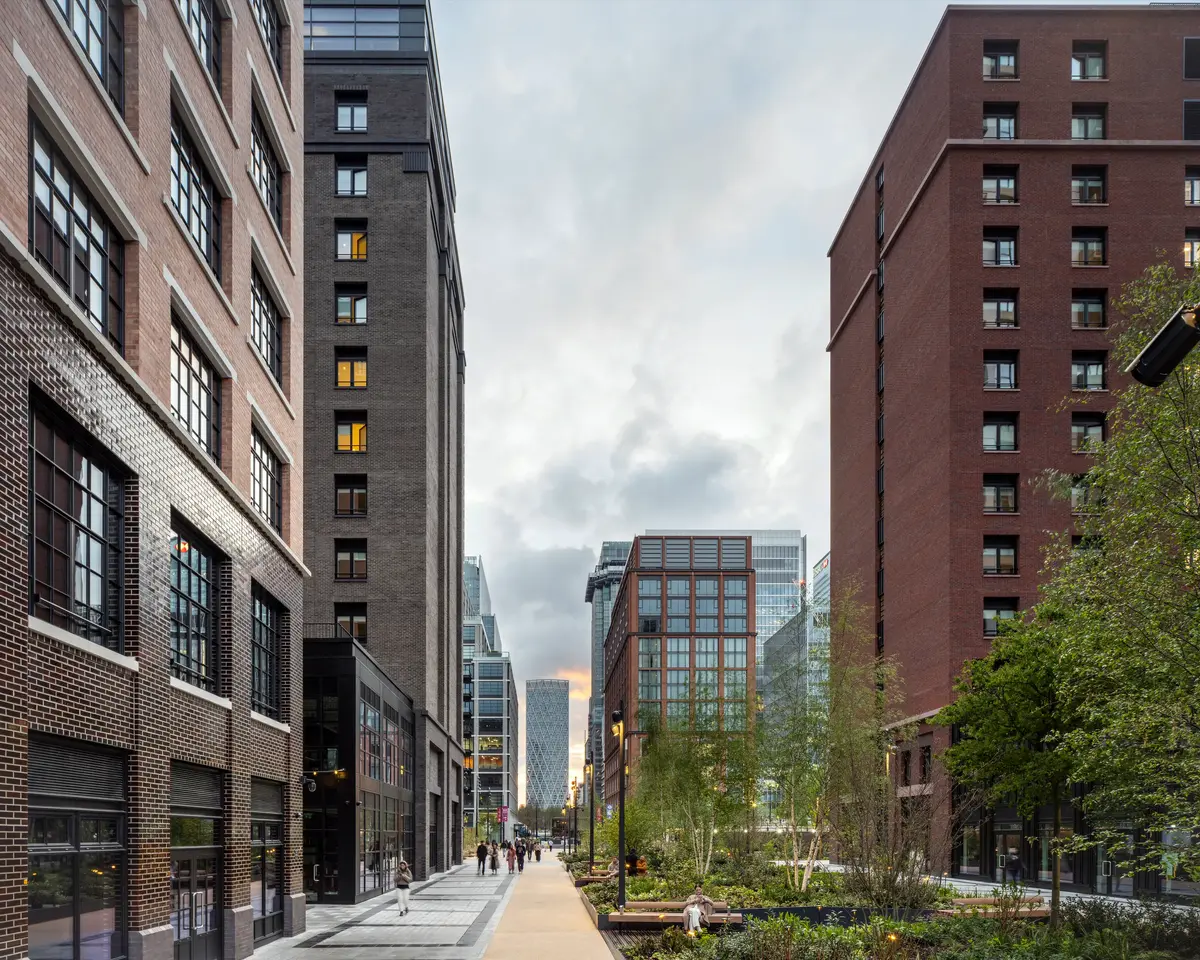
Union Square, London Borough of Tower Hamlets for Canary Wharf Group with HTA Design
Union Square is an innovative "meanwhile use" project transforming a construction plot into a public oasis in the centre of Canary Wharf’s Wood Wharf masterplan. Designed for a growing residential community, it is key to the area’s shift from a commercial to a mixed-use neighbourhood. The temporary square unlocks vital pedestrian routes, connecting residents and visitors. Featuring a regular programme of events, flexible spaces and extensive planting, it delivers a predicted 10% uplift in local biodiversity and provides a welcoming, green retreat for all.
youtu.be/mT8JVe3HGNI?si=BaXwusLh0vSdwkJb&t=1670
Describe the context of this project, its neighbourhood and people.
Canary Wharf has undergone a remarkable transformation from a centre of post-industrial regeneration into a mixed-use neighbourhood. The docks redevelopment in the 1990s often overlooked nature and was initially focused on commercial development for financial institutions. Recent years have seen increasing emphasis on residential communities. The diversification includes the creation of green public spaces that transform the area into a fully accessible public destination, providing a welcoming retreat for residents, workers, and visitors. A central component of this transformation is Wood Wharf a major 23-acre mixed use masterplan on the Isle of Dogs, adjacent to Canary Wharf. Designed as a new urban quarter, it brings together homes, offices, retail, and public spaces to create one of London’s most ambitious neighbourhoods. This new neighbourhood is now home to a diverse and established community of around 3,500 people, including a growing number of families with young children, students, professionals, and retirees. In the centre of the Wood Wharf masterplan lies Union Square, a temporary public space designed to serve this growing population. Measuring approximately 120m long, the square unlocks a previously inaccessible green spine. It serves as a vital access point for surrounding residential buildings and creates new pedestrian routes, significantly improving neighbourhood connectivity. The project establishes a key link between Canary Wharf to the west and the emerging residential communities to the east, playing a crucial role in enhancing the area for its growing and diverse population.
Tell us what you did and how the project, event or installation enlivened the place in a creative way?
As lead landscape architect, we transformed Union Square, converting a temporary construction plot into an innovative "meanwhile use" public space. Our core achievement was conceiving a biophilic urban oasis – a flexible design ensuring the area remained active and accessible year-round. This installation aimed to generate footfall, create interest, and introduce biodiversity, greening, and wellness initiatives within the Wood Wharf Masterplan for the next 10 years.
The design featured a highly adaptable, multi-use central area for diverse seasonal events, markets, exhibitions, and cultural performances. Incidental amenity spaces, nestled within extensive green planting, offered opportunities for relaxation, play, and social interaction. A significant creative aspect was the dual-purpose deep planting: ingeniously obscuring adjacent construction hoarding while providing informal play areas and contributing to ecological uplift. The existing decked entrance space has been retained and expanded to form a perimeter seating terrace. In total, the design provides over 170 linear meters of external seating, encouraging visitors to linger and enjoy the space. Retail integration was achieved through flexible spill-out gardens with generous, accessible seating, making the square more engaging.
The temporary resin-bound gravel surface seamlessly complements the permanent granite treatment of surrounding structures, demonstrating a creative approach to blending temporary and long-term urban fabric. A core principle of flexibility, implemented through portable infrastructure and modular elements, allowed the space to transform for various occasions, supporting ongoing community involvement. Union Square sets a great example of what can be done as meanwhile use to transform dense cities, inviting people to reconnect with nature.
Did the project make a positive social and environmental contribution? If it was a temporary intervention, is there a legacy plan? What happened to its tenants, users, materials and programming?
Union Square offers residents, visitors and workers a car-free, peaceful sanctuary for gathering, relaxation, and social connection. The design prioritises inclusivity and accessibility, featuring thoughtfully placed seating areas and accessible garden paths that invite people of all ages and abilities to use the space. Regular pop ups and sport initiatives are organised by Canary Wharf and accessible to all. As a cultural hub, it hosts initiatives like Winter Lights, providing free art and cultural events. Union Square has successfully attracted a mix of new, London-based independent Businesses including Signorelli - a family run bakery and coffee shop, Nora – modern Turkish restaurant, Island Studios - reformer Pilates studio and Omnifix - a sustainable tailor and alterations service.
Union Square integrates 60-70 different native plant species and 54 new trees, along with dedicated wildlife habitats (bird/bat boxes, insect hotels, loggeries), contributing to a significant, predicted 10% uplift in local biodiversity. The planting scheme is strategic: trees provide seasonal shade, while layered ornamental beds delineate spaces and soften the urban environment. The elegant and robust design utilises sustainable, durable materials, which have been specified for easy disassembly and future reuse.
As a temporary intervention with a planned lifespan of 5 to 10 years, Union Square’s success is intended to inform future meanwhile spaces in the area. It sets a precedent for temporary urban transformations, while its most critical legacy is securing the long-term viability of its tenants, who occupy permanent retail units and benefit from the established sense of place.
Gallery

Sign up to our newsletter
Get updates from The Developer straight to your inbox
Thanks to our organisation members
© Festival of Place - Tweak Ltd., 124 City Road, London, EC1V 2NX. Tel: 020 3326 7238