Get updates from The Developer straight to your inbox Yes, please!




The Sutton Estate, Royal Borough of Kensington and Chelsea for Clarion Housing Group and Durkan with HTA and Wates
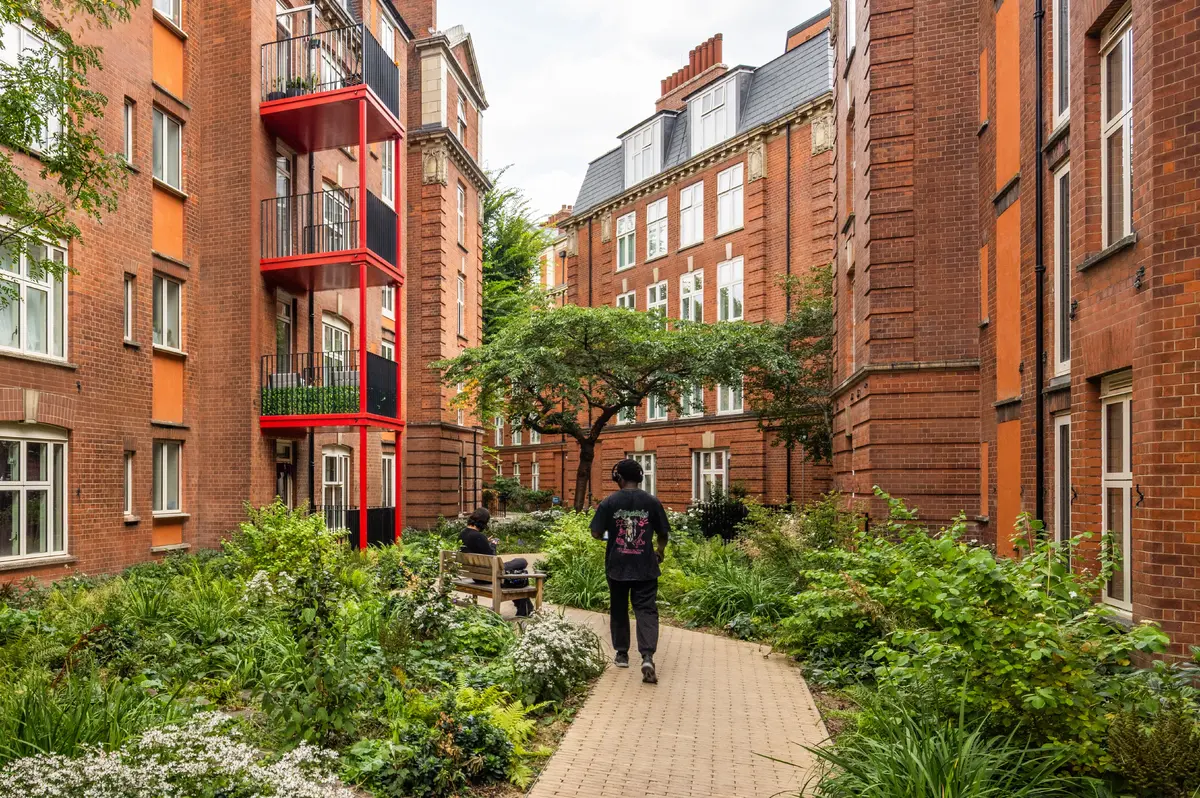
The Sutton Estate, Royal Borough of Kensington and Chelsea for Clarion Housing Group and Durkan with HTA and Wates
The Sutton Dwellings are some of the very earliest examples of homes specifically designed as social housing in the UK. Clarion is continuing William Sutton’s work in Kensington and Chelsea by investing to give these homes another century of public service. Every home is undergoing major upgrades. Four empty blocks, have been refurbished and brought back into use, with the remaining homes are being given major upgrades.
Describe the context of the community engagement. Why did the engagement take place?
The regeneration project delivered 81 modern, energy-efficient social rented homes within a historic, high-profile estate. Delivered in partnership with Durkan (main contractor) and HTA Architects, alongside planners, environmental specialists, and technical consultants, the scheme went beyond housing to transform the estate holistically.
Key improvements includes major upgrade works across the wider estate being carried out by Wates, fossil fuel–free ground source heat pumps in Blocks A–D, and a new biodiverse public realm that doubled ecological value. The project achieved Building with Nature accreditation—remarkable for a site previously considered unlikely to qualify. Blocks A–D, long vacant, were refurbished into homes ranging from one to four bedrooms, meeting local housing needs.
Given the scale and sensitivity of change, meaningful engagement was central. Residents and stakeholders were kept informed throughout design and construction, influencing decisions on layouts, heating systems, and public realm enhancements. Concerns were addressed transparently, and local political stakeholders—including councillors, MPs, amenity groups, and resident associations—were actively involved. Engagement extended beyond residents to the wider neighbourhood, fostering trust and maintaining support in an environment where regeneration can be contentious.
This inclusive approach ensured the regeneration was shaped with the community, not imposed upon it—delivering better outcomes, stronger relationships, and a project that exceeded expectations socially and environmentally.
Who did you engage with and how?
We engaged a wide range of residents and local stakeholders through a structured and inclusive programme designed to ensure all voices could influence the project. A dedicated E-Brik platform was used to provide real-time project updates, documents, and FAQs. Separate sites were created for regeneration works, planned investment works, and commercial areas, enabling residents to access tailored information easily.
A resident-led Regeneration Steering Group, meeting monthly, provided a formal mechanism for residents to influence decision-making. Membership was voluntary and open to all, ensuring representation across demographics. Meetings included Clarion, Durkan, and Wates, enabling residents to raise issues directly with delivery partners.
Community-focused initiatives included monthly senior lunches hosted by SMART (funded by Durkan and Wates), annual summer events, chair exercise classes, beach trips, film nights, and a social history project about life on the estate which culminated in an exhibition at the Saatchi Gallery. Formal consultation events complemented these informal gatherings, ensuring inclusivity and continuous dialogue throughout the project.
Both Wates (blocks E-O refurbishment) and Durkan (block A – D contractors) maintained a strong commitment to resident engagement throughout the project. Each contractor appointed a dedicated Resident Liaison Officer and ensured a regular presence on site. In addition, newsletters were issued by both contractors as well as by the Clarion regeneration team to keep residents informed and updated. Wates also supported bi-weekly digital training workshops at Jenningsbury and Kingsmill House on the Sutton Estate.
This blended approach ensured continuous engagement, accessibility, and meaningful resident involvement throughout the programme.
Have you continued the conversation? Will the community stay involved?
Yes. Engagement continues beyond completion to support residents as they settle into their new homes. We have established long-term partnerships with local organisations such as SMART, which will continue providing community support and activities. Post-occupancy evaluations and drop-in sessions help residents understand new heating systems, navigate their homes, and raise any issues.
Future phases of landscaping and public realm improvements will include further resident consultation, ensuring collaborative decision-making becomes a permanent part of estate management. By embedding ongoing engagement and building sustained relationships, we aim to ensure the community remains empowered, connected, and actively involved well beyond the delivery of the regeneration and improvement works.
Sign up to our newsletter
Get updates from The Developer straight to your inbox
Thanks to our organisation members
© Festival of Place - Tweak Ltd., 124 City Road, London, EC1V 2NX. Tel: 020 3326 7238