Get updates from The Developer straight to your inbox Yes, please!




Right to the City, City of London for City of London Corporation with Publica
Right to the City, City of London for City of London Corporation with Publica
Right to the City is a live action research programme that explores how women, girls, and non-binary people experience public space in the City of London after dark, and how their voices can shape safer, more inclusive urban environments where they feel they belong. It responds to a growing recognition that traditional approaches to safety fail to capture the spectrum of lived experiences of those who feel underrepresented in city planning.
Describe the context of the community engagement. Why did the engagement take place?
How public spaces feel, function, and whether we feel welcomed profoundly impacts our sense of safety and belonging. For women, girls, and non-binary people, the design of public spaces feel like an afterthought. Right to the City is a live research programme exploring how women, girls, and non-binary people experience the City of London after dark, and how their voices can shape safer, more inclusive urban environments. It responds to growing recognition that traditional safety approaches fail to reflect the spectrum of lived experiences among those underrepresented in city planning. Led by Publica Campaign for Inclusive Cities with a City-wide network of collaborators, the initiative unites the intelligence of City communities and cultural partners with institutional stakeholders to create a shared, community-driven vision. Right to the City aimed to improve feelings of safety and belonging for women, girls and gender diverse people in the City of London; make the City the first London authority to pilot an ambitious participatory initiative for women’s safety in public space; build evidence-based capacity for City stakeholders to commit to collective action and support replication of this work across London and the UK through open-access resources. Engagement focused on understanding women, girls and non-binary people’s lived experiences after dark so the project’s aims could be shaped directly by their insights. Grounded in feminist, creative participation, it centres their testimonies, affirms their agency, and reframes safety not only as freedom from harm, but as the presence of joy, belonging and the power to shape urban life.
Who did you engage with and how?
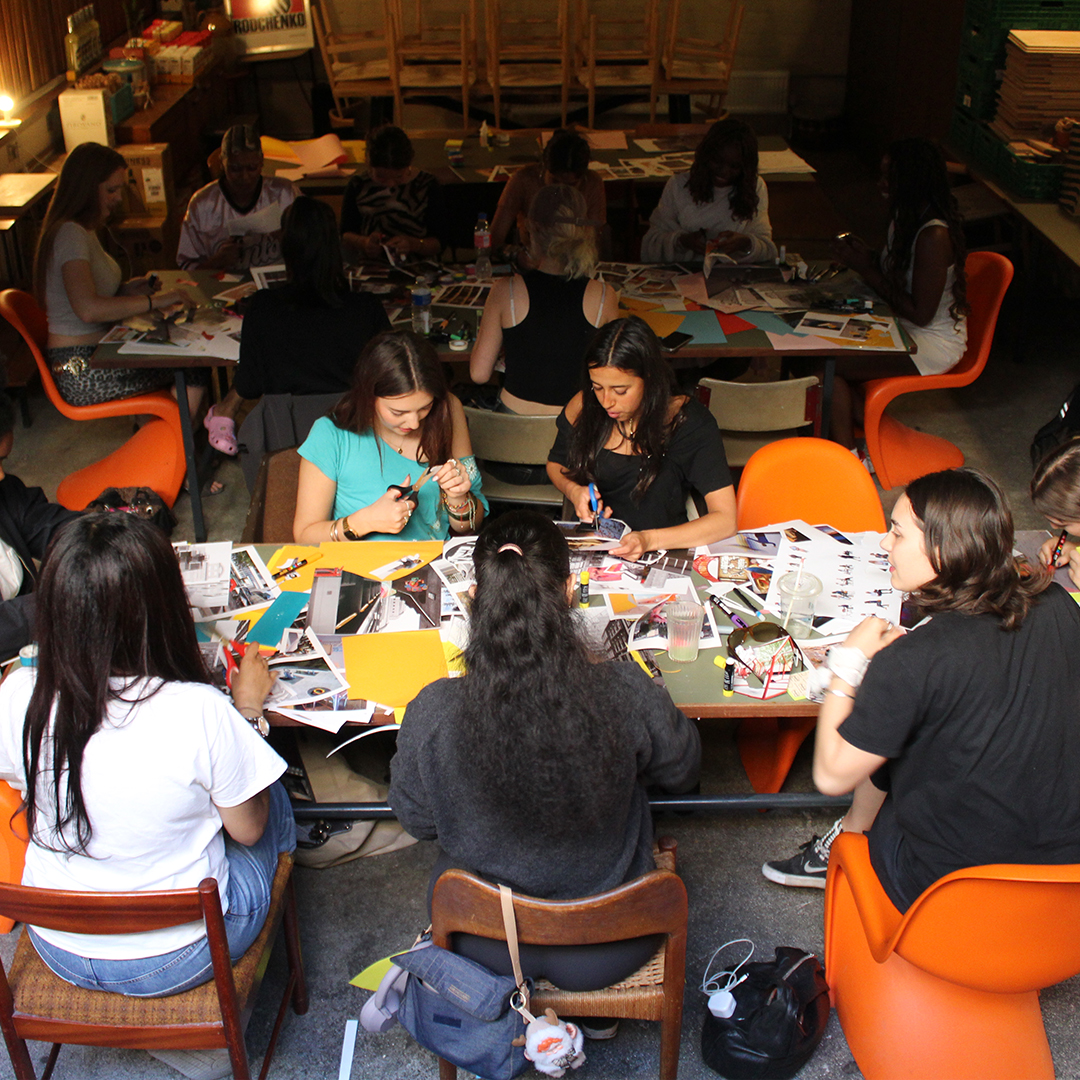
Right to the City engaged with 287 participants through four artist-led night walks, the Youth Design Challenge, and a celebration event held between March and July 2025. The night walks explored the after-dark experiences of women and non-binary people in the City through collage, sound, poetry, light, dance, movement, and a masquerade parade. Running weekly throughout March, each walk welcomed up to 20 volunteer participants. Selection prioritised people with strong ties to the City – workers, residents, students and visitors – with focused outreach to underrepresented groups including night workers, disabled people, and ethnic minorities. Across the walks, 48 people participated: 23 workers, 9 night workers, 23 visitors, 12 residents and 8 students. The group included 44 women and 4 non-binary people, including 2 disabled participants. The walks created intimate collective spaces for reflection on the challenges and opportunities that could unlock safer, more active lives in the City. The Youth Design Challenge invited young women and non-binary youth aged 11–24 who live, study, or work in the City to re-envision public spaces using collage and poster-making. Publica developed accessible online resources, including a brief, video guide, and site photographs to use. Participants could submit work digitally or attend one of six in-person workshops. Sessions were delivered with youth groups already connected to the City, including Mulberry School, Society Links, BeauBeaus Café, Haggerston School, London Met, and the London Police Cadets. The Youth Design Challenge amplified the voices and visions of 239 young women, girls, and non-binary youth.
Have you continued the conversation? Will the community stay involved?
Right to the City revealed a strong foundation for ongoing joint action to improve women’s safety in the public realm. Throughout the project delivery, it became evident there was a significant appetite from workers and organisations in the City to engage with gender inclusion and safety in public space. We have already been approached by numerous stakeholders across the City to share our learnings from the project and participate in ongoing conversations about gender inclusion and safety, underscoring the relevance and urgency of this work. As Right to the City enters its next phase, we are responding to this enthusiasm by seeking further funding to deliver a series of workshops and activities with local businesses in the City. These sessions will unpack key learnings, provide training and upskilling, and support organisations in demonstrating their commitment to women’s safety. This approach will help support a City-wide investment in women’s safety, build capacity among collaborators and clarify shared ambitions. This interim phase will lay the groundwork for the second phase of Right to the City: a longer-term, strategic implementation plan with the City of London Police and all the City of London Corporation’s key departments stakeholders, that will ensure women, girls and non-binary people have a meaningful role in shaping the future of the City. This positions the City as a leader in shaping a more inclusive urban future, one built on collaboration, care, and the lived experiences of its communities.
Sign up to our newsletter
Get updates from The Developer straight to your inbox
Thanks to our organisation members
© Festival of Place - Tweak Ltd., 124 City Road, London, EC1V 2NX. Tel: 020 3326 7238