Get updates from The Developer straight to your inbox Yes, please!




Camden High Street Trial Pedestrianisation, London Borough of Camden for London Borough of Camden
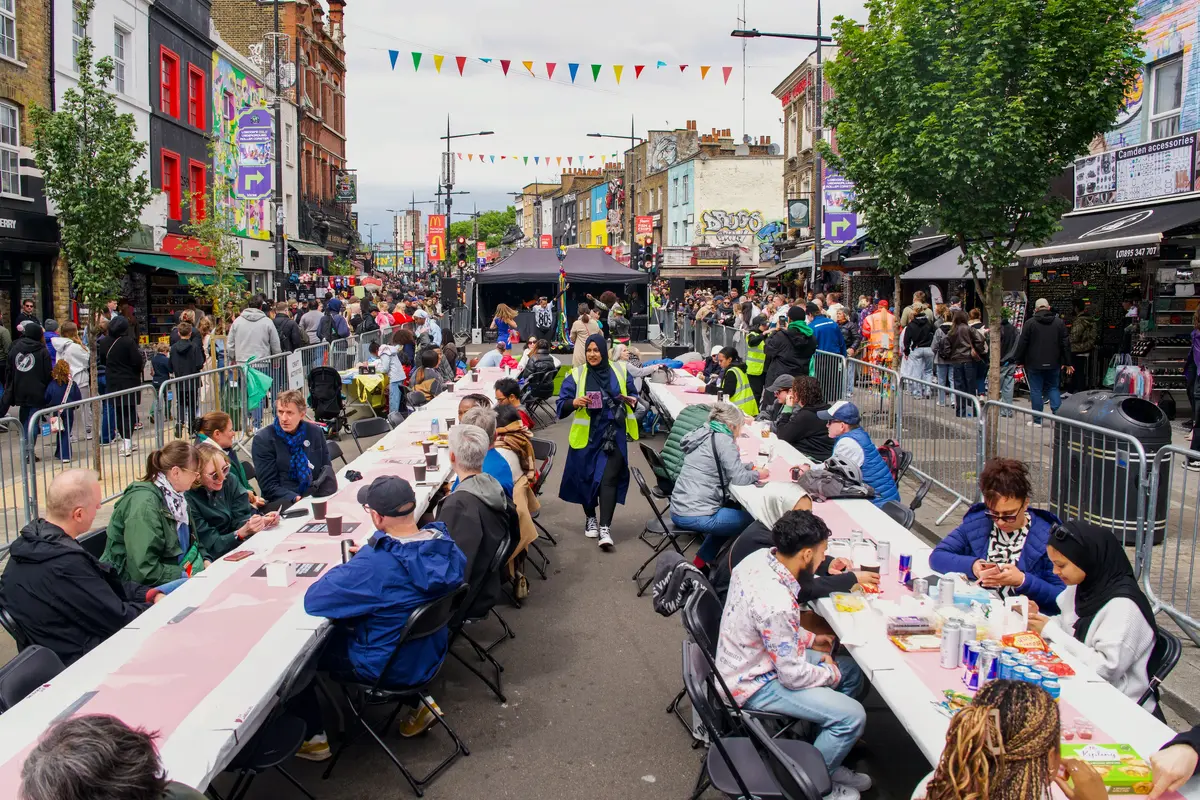
Camden High Street Trial Pedestrianisation, London Borough of Camden for London Borough of Camden
The Camden High Street Pedestrianisation Trial is transforming one of London’s most iconic destinations into a safer, greener and more welcoming place for residents, businesses and visitors. By removing through-traffic, widening pavements and creating new space for culture, nature and community activity, the scheme improves air quality, accessibility and public safety. Co-designed with local people and partners, it supports Camden’s Climate Action ambitions while strengthening the area’s economic and cultural vibrancy. Early monitoring shows promising environmental, social and wellbeing benefits.
Describe the context of this project, its neighbourhood and people.
The Lower Lea Crossing is a strategic link between Canning Town and Canary Wharf, sitting within an area of rapid regeneration and high population growth. The corridor serves residents, workers, and visitors moving across East London, where demand for active travel infrastructure has been growing in line with local and national policy. Previously, the route was dominated by vehicles, with high speeds and limited pedestrian and cycle provision, creating an unsafe and unwelcoming environment. This created a barrier between communities and discouraged sustainable travel choices. Neighbouring boroughs have ambitious plans for growth, with thousands of new homes and jobs being delivered. Connectivity, safety, and air quality are therefore critical to supporting healthier communities. Local schools, businesses, and residents highlighted the need for safer crossings, slower traffic, and a more pleasant environment for those walking or cycling. The project was developed in response to these challenges, aiming to rebalance movement along the corridor and encourage sustainable transport modes. By improving pedestrian and cycle access, the scheme sought to address inequality in transport choices, reduce reliance on cars, and create a safer, more liveable place. The scheme was carefully designed to ensure benefits for all users—residents, workers, and visitors—by making active travel the default option for short and medium journeys.
Tell us what you did and how it was designed and delivered.
The project delivered a series of transformational interventions along the Lower Lea Crossing. Key measures included widened pedestrian and cycle paths, raised and improved crossings, landscaping improvements, and traffic calming to reduce vehicle speeds and dominance. Together, these changes created a safer, more attractive corridor prioritising active travel and community wellbeing. The scheme was led by Project Centre in partnership with the London Borough of Newham, Transport for London, and local stakeholders. Governance involved regular steering meetings with the client team, clear milestones for design and delivery, and coordination with utility providers and contractors. Funding was secured through local authority investment, supported by wider regeneration commitments in East London, ensuring the project’s long-term viability. Community engagement was central to the design process. Disability groups, and businesses were consulted through workshops, surveys, and site visits. Their feedback shaped key elements such as crossing locations, surface treatments, and accessibility features. Early engagement with walking and cycling organisations ensured designs reflected best practice and addressed safety concerns. The delivery team worked closely with contractors to phase construction, minimising disruption to local communities and maintaining access throughout. Regular communication with stakeholders kept them informed and ensured transparency. The project’s collaborative approach built strong buy-in and delivered a scheme that balances technical excellence with community needs.
What is the social and environmental impact of the project?
The Lower Lea Crossing scheme has delivered measurable social and environmental benefits. By prioritising walking and cycling, the project has reduced the barrier effect of the road and improved connections between key destinations, including housing areas, schools, workplaces, and retail hubs.
Socially, the scheme has improved safety for vulnerable road users, particularly children, older people, and those with disabilities. Safer crossings, slower traffic speeds, and clearer layouts have increased confidence to travel actively. The improvement of the landscaping and clearing away of existing overgrown planting has enhanced the street’s character, creating a more welcoming and people-focused environment that encourages the desire to use the route.
Environmentally, the scheme supports local and regional climate commitments. By making active travel more attractive, it reduces car dependency, contributing to lower carbon emissions and better air quality. Traffic calming measures cut noise pollution, the design also promotes resilience by aligning with sustainable transport and placemaking objectives.
The project contributes to long-term health outcomes by supporting more physical activity and tackling air pollution exposure. It fosters stronger community cohesion by creating a space where walking and cycling are safe, social, and enjoyable. Overall, the scheme is a model of how infrastructure investment can simultaneously deliver safety, sustainability, and community wellbeing.
Sign up to our newsletter
Get updates from The Developer straight to your inbox
Thanks to our organisation members
© Festival of Place - Tweak Ltd., 124 City Road, London, EC1V 2NX. Tel: 020 3326 7238