Get updates from The Developer straight to your inbox Yes, please!




Parklea Branching Out, Port Glasgow for Parklea Branching Out with INCH Architecture & Design, Community Links and Design Engineering Workshop
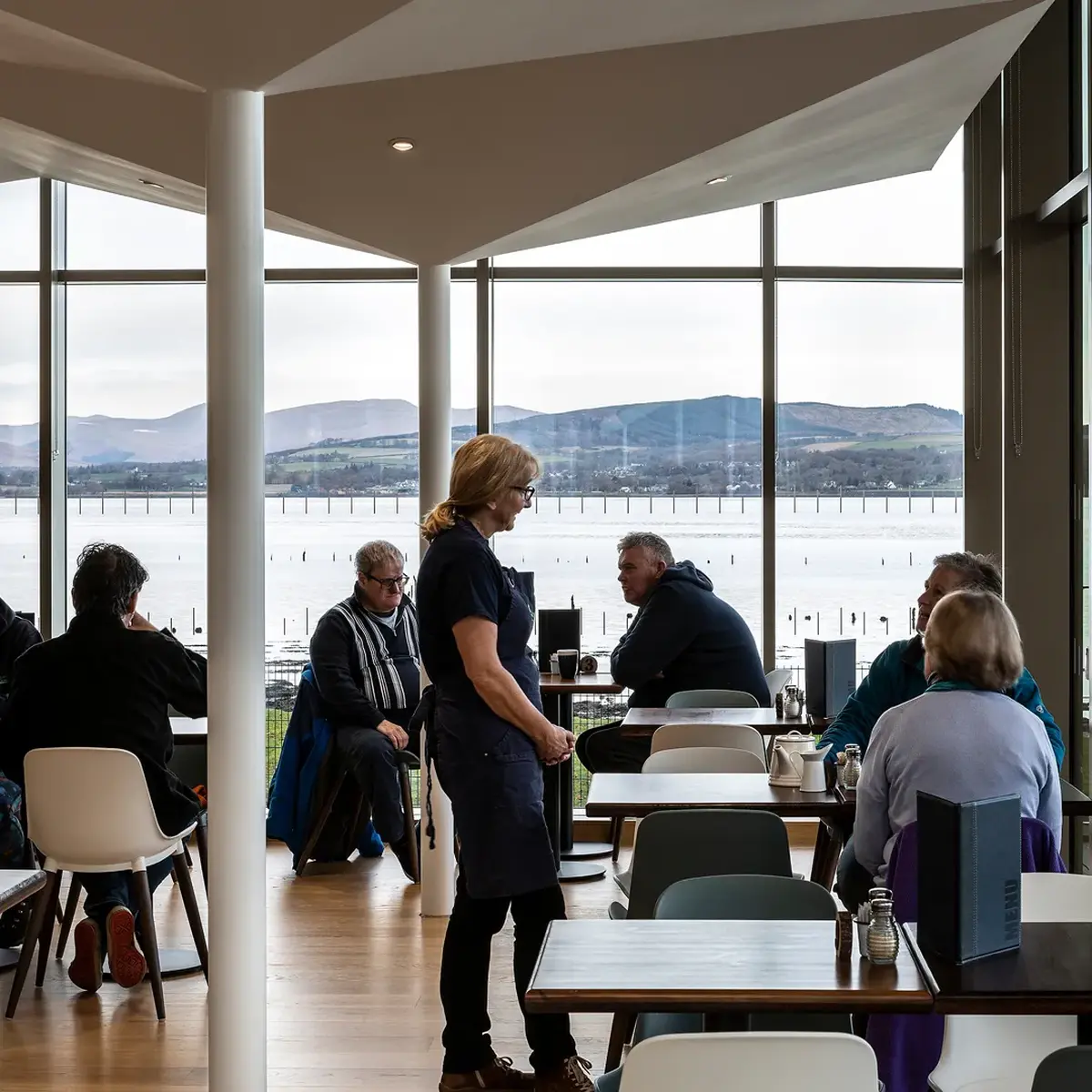
Parklea Branching Out, Port Glasgow for Parklea Branching Out with INCH Architecture & Design, Community Links and Design Engineering Workshop
Parklea Branching Out (PBO), a Port Glasgow charity, uses horticulture to support diverse groups through training, work experience, and recreation. A new hub enhances their mission, incorporating a cafe, meeting spaces, and volunteer facilities. The design features a sculptural dendriform column and canopy structure inspired by garden pavilions located on site. Situated in a flood-risk zone near the Clyde Estuary, the hub is elevated above predicted flood levels and built with climate-resilient methods, blending environmental responsiveness with social purpose in a meaningful, adaptive architectural solution.
What is the programme and use of the space? How does the project foster community, connect people and contribute to urban life?
Having outgrown their temporary accommodation, the brief called for a new building that would reflect PBO’s inclusive and therapeutic ethos while also addressing their functional and environmental needs.
Due to the existing congested nature of the piecemeal site and the importance of PBO’s services to continue during construction, an undeveloped area adjacent to the Clyde was selected for a new building to benefit from existing road access/parking and to maximise the visual connection to the historic timber drying ponds, as well as the surrounding landscape. Also, it happens to be the best place on site to have a cup of tea.
The hub hosts a cafe, a community meeting space and other volunteer and training facilities providing a supportive environment where young adults with additional support needs can gain experience and skills with a view to progressing into employment or further education. A wider strategic plan for the whole site includes the future addition of a Changing Places Toilet, covered walkways and an All Ability Cycle Shelter, increasing the accessible facilities available to both service users and the public.
This project creates a front door to the existing mix on site of community, training and technical spaces. It provides a public interface with the community and learning work that happens within. It aims to be sustainable in its longevity in withstanding the challenges of our changing climate, and to further PBO’s work to provide essential services for their clients and the local community of Inverclyde.
How does the community space make a positive social and environmental contribution?
The building comprises a column and canopy structure, creating a sculptural soffit internally, while providing a generous sheltered area outside, enhancing the building’s connection to its setting. Glazed facades and brickwork enclose the structure acknowledging the adjacent greenhouses. The cafe and community meeting room are welcoming, filled with daylight, promoting a sense of well-being.
The building’s prominent location, selected by INCH ensures that existing green/growing space remains untouched, the community cafe, training and gathering spaces are easily accessible, and the project has a prominent front facing location befitting of a socially motivated space. This encourages inclusive interaction and increased footfall. Low carbon measures, material specifications and spatial layouts were aligned with PBO’s sustainability goals and horticultural focus. The building is highly insulated, reducing carbon demand, with ground source renewable heating.
The brown field site’s location within a flood risk zone required the building to be elevated, mitigating a 1 in 200-year flood. Flood resilient construction measures avoid excessive damage or waste in the event of flooding. The raised structure both addresses flooding and elevates the community experience offering a protected inclusive space, embracing the therapeutic potential of blue/green space.
Future phases include the reuse of the old farmhouse adjacent to the hub, forming a heritage space focused on the significant agricultural and archaeological site history.
Our work with PBO delivers a resilient, context driven, socially engaged architecture.
Please explain the governance of the project, such as its viability, purpose, motivation and any consultation, co-creation or community engagement undertaken in the development of the community space.
From the outset, INCH was motivated by Parklea Branching Out’s vision to create a space that would not only enhance their therapeutic horticulture programme but serve as a long-term asset for the organisation and wider community. The purpose of the project was twofold; to provide dignified, inclusive, and flexible facilities for PBO’s diverse users, and to build the charity’s capacity for future resilience and reinvestment.
INCH worked closely with PBO throughout the process to secure funding and guide the project from feasibility through to delivery. Ensuring long-term viability was a central focus. Alongside a business consultant, the design team worked with the client, stakeholders, and community members to shape a brief that balanced aspiration with sustainability. The cafe, meeting room, and multifunctional areas were designed not only for programme use, but to generate income and support PBO’s financial independence alongside their existing revenue from selling their horticultural products.
The design process was grounded in co-creation and meaningful community engagement. INCH facilitated regular sessions with representatives from across the charity including staff, volunteers, trustees, and service users. These sessions explored themes of accessibility, atmosphere, spatial needs, and technical specification, with feedback directly informing the evolving design. Despite a fast-track timeline, the process safeguarded PBO’s agency and authorship, aiming to ensure the final building felt rooted in their values, culture and setting.
Sign up to our newsletter
Get updates from The Developer straight to your inbox
Thanks to our organisation members
© Festival of Place - Tweak Ltd., 124 City Road, London, EC1V 2NX. Tel: 020 3326 7238