Get updates from The Developer straight to your inbox Yes, please!




Nature based solution for stormwater management, Pontypool for Dŵr Cymru Welsh Water with Morgan Sindall and Arup
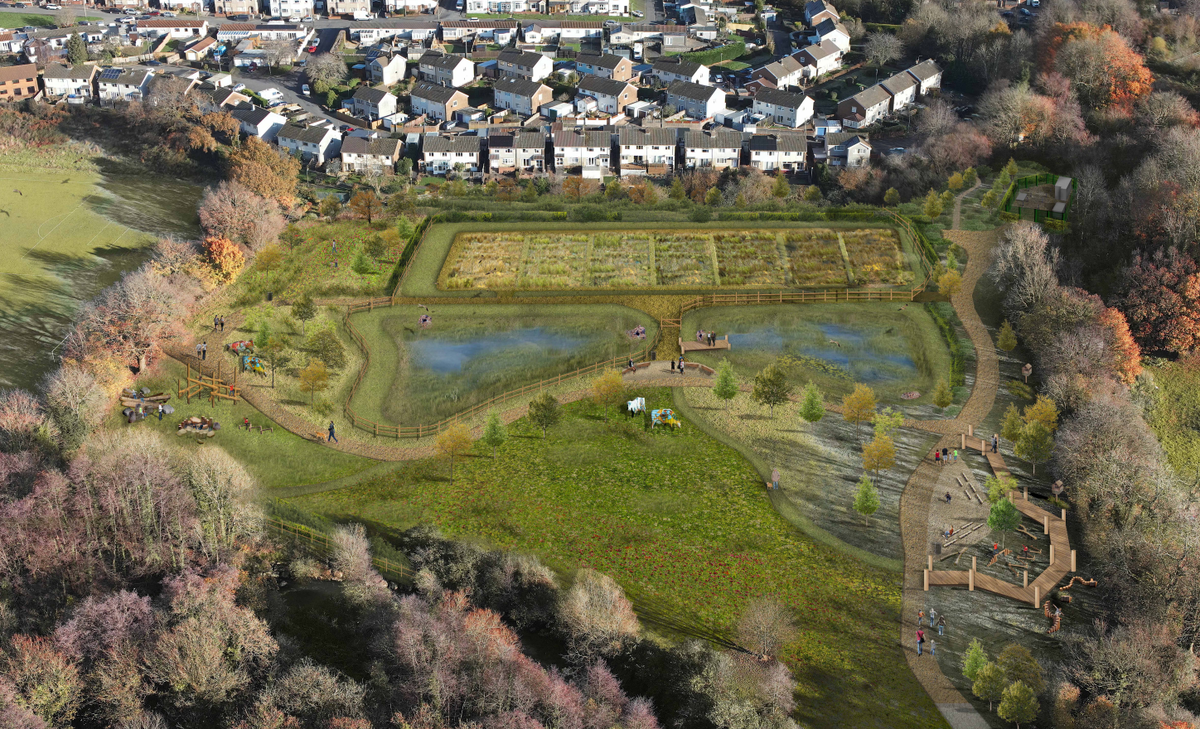
Nature based solution for stormwater management, Pontypool for Dŵr Cymru Welsh Water with Morgan Sindall and Arup
A pioneering nature-based solution improving river health in the Afon Lwyd and River Usk. Instead of a £56 million grey infrastructure upgrade, an Integrated Constructed Wetland was implemented for £13m- a UK first for in catchment storm overflow treatment.
This pioneering approach improves water quality, boosts biodiversity, and fosters environmental awareness through education and engagement. It’s a resilient, climate-smart alternative to grey infrastructure, locking in carbon and setting a new benchmark for sustainable water management, helping regenerate rivers and reconnect people with nature.
Describe the context of this initiative or project, its neighbourhood and the community it serves.
River health is influenced by many factors, including sewer network overloading during storm events. This can increase spills into our waterways, also affecting biodiversity and public wellbeing. This project pioneers using green infrastructure to treat and clean stormwater through a constructed wetland system before entering the river.
The £13m wetland treatment system, the first of its kind in the UK, opening to the public in Winter 2025. It delivers numerous additional benefits including industry knowledge, community benefits and biodiversity gain. This is the first time wetlands will be used to treat combined sewer overflow (CSO) discharges within a community/catchment in the UK. Since construction completed, Welsh Water have started sampling studies into the performance of the NbS, and initial results show promising removal rates of pollutants as a result of the aerated reedbed & constructed wetlands. The selected site, a single field laid to pasture within the floodplain of the Afon lwyd river, is located off Pont-y-felin Lane, bordering Afon Close and adjacent to New Panteg Rugby Club fields. We evaluated potential site-specific opportunities, including the surrounding green infrastructure and habitats, the sites proximity to the Afon Lwyd and it’s floodplain, nearby sports facilities and recreational footpaths and included consultation with communities in residential areas of New Inn. This analysis of the site informed the design and development of a new wetland at Pont y-felin. Serving the local community with high quality public realm offering outdoor classrooms, interpretation boards, footpaths, seating, art sculptures and a pontoon deck for public enjoyment.
Describe the intervention you’ve made, including its purpose and motivation. How will it contribute to climate resilience?
We collaborated closely with the client and project team to advocate for a shift from costly, carbon-intensive grey infrastructure to nature-based solutions (NbS) for wastewater treatment. A key aim was to remove the severe impact of storm discharges on the river, while delivering wider socio-environmental benefits.
During optioneering, the whole watershed was surveyed with the aim of unlocking stormwater removal. Most of the opportunities were difficult to deliver, costly and in effect a full overhaul of the local sewer pipe infrastructure would be required to achieve the river water quality targets. Using CIRIA’s benefit evaluation tool B£ST, we compared whole-life costs and multi-capital benefits of NbS versus traditional engineering, confirming NbS as the preferred option. We developed four initial concepts, selecting a two-stage treatment system to intercept and clean screened combined sewage during storm events. This option stood out for providing the best outcomes and benefits that enhance biodiversity and offers recreational and educational value to the community. Governance was underpinned by early and ongoing engagement with NRW, the local county council and the community. A hybrid consultation approach—combining in-person and remote sessions—enabled broad participation and feedback from these sessions directly shaped the design. The scheme’s viability was driven by its total value to both Welsh Water and the community, moving beyond industry norms.
Explain the environmental and social impact of the project.
The solution attenuates excess stormwater by detention in the treatment system and improves the quality of water entering the Afon Lwyd, whilst providing benefits to biodiversity, as well as tangible recreational and educational opportunities for local people. The wetland at Pont-y-felin strengthens people’s connection to the river system by making water infrastructure visible, accessible, and part of everyday experience. By integrating features such as seating areas, an outdoor classroom, and interpretation boards into the landscape, the design invites the community to engage with the site not just as infrastructure, but as a living environment. These elements promote environmental awareness and encourage interaction with nature, helping residents understand their role within the wider water cycle. This connection fosters a sense of stewardship and supports long-term behavioural change—shifting perceptions from passive use to active care of water resources. The scheme includes 1.8 hectares of wetland habitat specifically designed to support aquatic life. This habitat features targeted planting to encourage wetland species, enhancing biodiversity and ecological resilience. The wetland system uses native aquatic plants such as iris, rush, marsh, marigold and watercress. These species naturally remove pollutants like phosphates and support diverse wildlife.
Sign up to our newsletter
Get updates from The Developer straight to your inbox
Thanks to our organisation members
© Festival of Place - Tweak Ltd., 124 City Road, London, EC1V 2NX. Tel: 020 3326 7238