Get updates from The Developer straight to your inbox Yes, please!




Millport Flood Protection Scheme, Millport for North Ayrshire Council with OOBE, Turner & Townsend, Royal HaskoningDHV and Van Oord
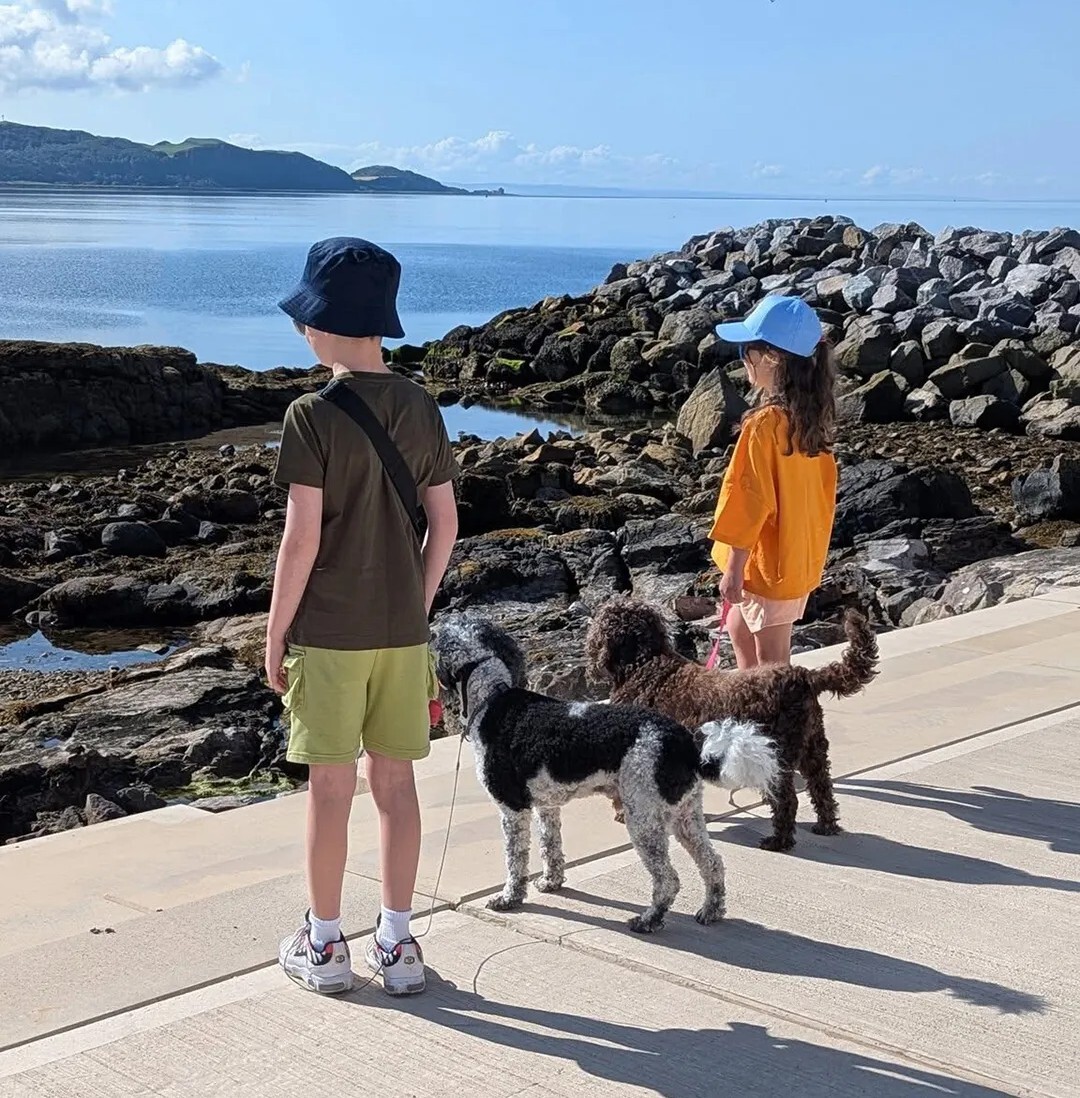
Millport Flood Protection Scheme, Millport for North Ayrshire Council with OOBE, Turner & Townsend, Royal HaskoningDHV and Van Oord
The Millport Coastal Flood Protection Scheme is a landmark investment securing the future of the Isle of Cumbrae. Designed to defend homes, businesses, and vital infrastructure from rising seas and stronger storms, the scheme reflects years of meaningful community collaboration. Residents shaped materials, access, aesthetics, and construction choices, ensuring protection that fits Millport’s character. This future-proof design strengthens safety and supports the local economy.
Describe the context of this initiative or project, its neighbourhood and the community it serves.
The £48 million Millport Flood Protection Scheme on the Isle of Cumbrae, now completed, was designed to safeguard more than 600 properties from increasing coastal flood risks. Beginning in spring 2023, the project delivered extensive offshore and onshore works to strengthen the island’s resilience.
Key construction achievements included placing more than 950 precast units along the coastline to form the core flood defence structure, using 1,720 cubic metres of concrete for foundations, and installing 142,000 tonnes of rock to build breakwaters that reduce wave energy reaching Millport Bay’s Sea walls. Offshore elements featured a new rock armour breakwater, which creates calmer waters and enables future development of a proposed marina under the Ayrshire Growth Deal. Additional works included foreshore rock installations at Clyde Street and Crichton Street, and concrete revetments at Kelburn Street, Millburn Street and Clyde Street to absorb wave energy and limit erosion. Onshore improvements around Glasgow Street involved repairing and painting existing walls, repairing jetties—including the one near Crocodile Rock—constructing new concrete walls and revetments, and installing new seating. Community engagement was integral throughout the scheme. Residents were consulted on the design, appearance and materials of seawalls and promenade upgrades, with physical samples displayed at Garrison House. Project documents, including the Environmental Statement and drawings, were publicly accessible at local venues, and feedback was encouraged through online questionnaires and paper forms. The project also supported wider community benefits, aiming to boost the local economy and tourism, promote climate change awareness in schools, and create local job opportunities.
Describe the intervention you’ve made, including its purpose and motivation. How will it contribute to climate resilience?
In February 2019, the third consultation updated residents on the Recommendation Report and included design workshops examining locations, appearance, landscaping and access requirements for new flood walls and structures. The fourth consultation in August 2019 offered an opportunity for comment before the statutory process began, supplemented by targeted meetings with residents affected by proposals at Cross House, Clyde Street and Crichton Street.
The fifth consultation in April/May 2021 invited feedback on landscape design, including colours, finishes, paving materials, and construction aspects such as deliveries and storage. A further major consultation event took place on 15–16 September 2021 at Garrison House. Publicised through newsletters, posters, press outreach, the Council’s website and social media, the event attracted 80-100 visitors and followed Covid-19 physical distancing guidance. Display boards presented progress on technical and landscape design, environmental considerations, construction processes and next steps. A specialist questionnaire was made available in person and online, with a three-week response period.
3D visualisation showing the final design—both onshore works and the offshore breakwater—was displayed and well received. Materials, including the video, were subsequently published on the North Ayrshire Council website.
Explain the environmental and social impact of the project.
Extensive community engagement played a crucial role in shaping the Millport Coastal Flood Protection Scheme, ensuring the final design balanced engineering needs with local priorities. Consultation sessions provided clear design information—including 3D visualisations of flood walls and revetments—allowing residents to give informed feedback that directly influenced decision-making.
During the April/May 2021 consultation, residents suggested locating the construction compound and delivery area near the Field Studies Centre. This was assessed as the least disruptive option and was ultimately adopted, reflecting strong community support. Feedback on integrating timber bench seating and providing accessible rest points was also positive, guiding their incorporation into the final design.
Options for the colour and finish of concrete structures were presented, with further technical assessment showing that lighter, smoother finishes would weather more effectively. Based on community feedback and engineering evaluation, a light sand colour with a lightly textured finish was selected. Preferences for bin placement were also incorporated, with locations set close to the flood wall as requested.
Consultation responses supported the proposed designs for stepped revetments and terracing at Crichton Street, Cross House and Kames Bay, as well as additional tree planting along key streets, although some concerns were noted and considered. Illustrations of potential artwork imprints on the flood walls received encouraging feedback, informing ongoing aesthetic enhancements.
Overall, respondents agreed the project was well-advertised, accessible and responsive to community views. Repeated engagement sessions and ongoing dialogue with community groups ensured that feedback was consistently reflected in design refinements, strengthening project outcomes and public confidence.
Sign up to our newsletter
Get updates from The Developer straight to your inbox
Thanks to our organisation members
© Festival of Place - Tweak Ltd., 124 City Road, London, EC1V 2NX. Tel: 020 3326 7238