Get updates from The Developer straight to your inbox Yes, please!




Marylebone Square, City of Westminster for Concord London with E8 Architecture, Keir Construction and LIV Interiors
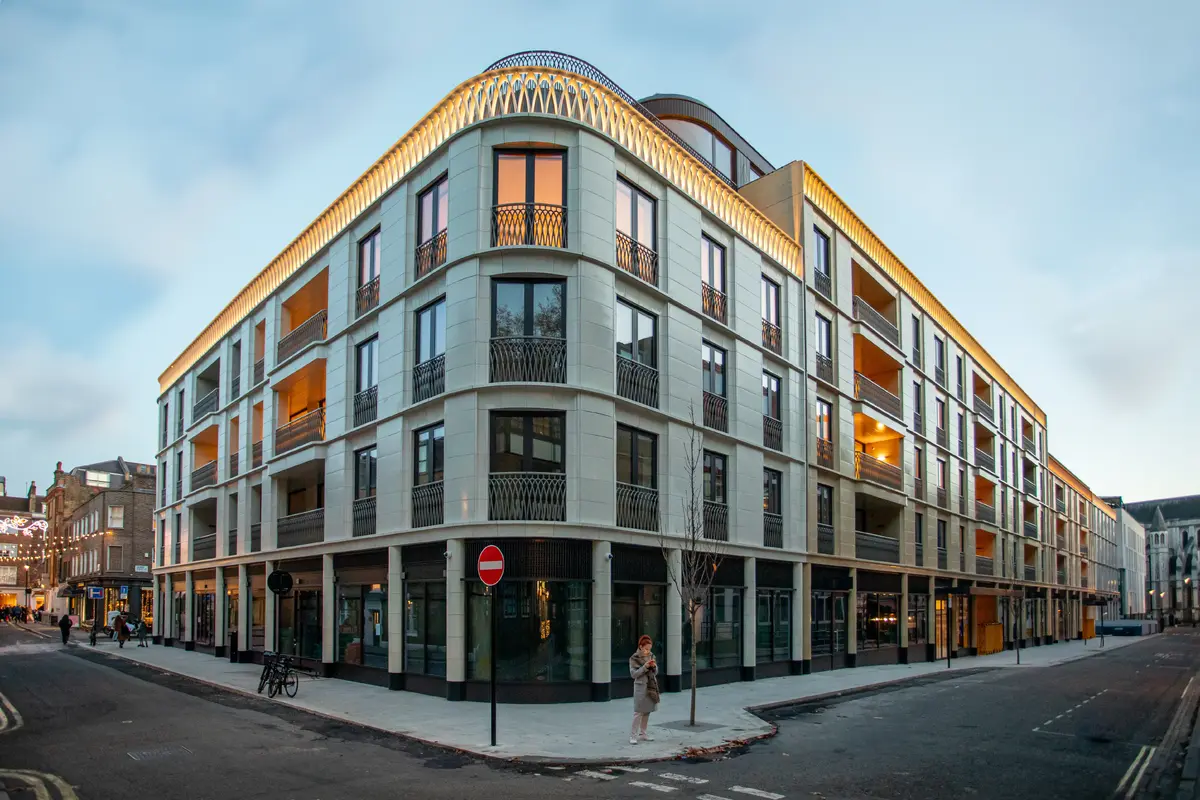
Marylebone Square, City of Westminster for Concord London with E8 Architecture, Keir Construction and LIV Interiors
Marylebone Square is the first complete city block built in Marylebone in over 50 years, transforming a long-vacant site into a vibrant mixed-use destination. This rare central London project reinstates historic streets and reconnects the neighbourhood. It delivers 54 luxury homes, curated boutiques and restaurants, a community hall, affordable housing, and EV-enabled parking, all supported by a strong sustainability strategy. Shaped by community engagement, the scheme reflects local character, enhances public realm, and creates lasting social, environmental, and economic value for the West End area.
Describe the social and environmental context of this project, its neighbourhood and people. What is the purpose of the building? How does this building make an impact in its community?
Marylebone Square sits at the heart of Marylebone Village; an area defined not only by its boutiques and visitors but by a long-established residential community. Flanked by local homes, neighbourhood shops, a historic garden square and daily footfall from families and workers, it is a low-rise, human-scaled district with a rich Georgian and Victorian architectural identity. Against this backdrop, the site had remained vacant for more than 50 years - an anomaly in an otherwise cohesive urban fabric. Formerly a car park later cleared for redevelopment, its complex ownership and competing demands repeatedly prevented progress.
Concord London’s design-led, multi-use expertise unlocked the potential of this rare, prime location. By relocating the public car park underground providing 100 EV-enabled spaces it became possible to reinstate the historic street pattern and create a new, fully integrated city block.
The development introduces 79 new homes, including 25 much-needed affordable homes for residents and key workers, addressing local housing pressures in an area where new-build opportunities are exceptionally scarce. A flexible community hall provides dedicated space for local activities and events, supporting a neighbourhood that places high value on social connection. Retail is curated to complement rather than compete with Marylebone’s existing independent offer, strengthening the village economy.
Through sensitive urban repair, sustainable design, and meaningful community infrastructure, Marylebone Square revitalises a long-neglected site and makes a lasting social and environmental contribution to the everyday life of this historic London neighbourhood.
Is the project innovative or creative in its design or purpose? What does it do well in terms of serving its people?
Marylebone Square marks the first entirely new city block in Marylebone in over 50 years—a sensitive yet ambitious transformation that restores historic street patterns while revitalising the local urban fabric. The scheme introduces new streetscapes across Aybrook, Moxon, Cramer and St Vincent Streets, activating the ground level with independent retailers and an enhanced public realm that extends footfall beyond Marylebone High Street, reinforcing the neighbourhood’s walkable character.
The development champions creative purpose through a disciplined, community-focused retail strategy. A meanwhile-use approach supported emerging independents such as The Cirkel, promoting circular fashion; coffee specialist Special Guests; and health-tech pioneer Neko Health. These brands tested and grew before securing permanent premises, strengthening the local economy while meeting residents’ everyday needs with sustainable fashion, quality coffee and preventative healthcare. By curating occupiers to complement rather than compete with existing offerings, the scheme enhances Marylebone’s character and supports local enterprise.
Marylebone Hall, a flexible indoor-outdoor community space managed by Westminster City Council. Designed as a genuine social hub, it hosts events, markets and gatherings, ensuring the development contributes meaningfully to village life. Councillor Karen Scarborough noted: “As the first entirely new block in the village for more than five decades, it is a significant addition bringing diverse housing, retail, a new community space and much-needed rental opportunities for key workers.”
The project reinterprets the Georgian mansion block with glazed terracotta façades and cast-metal balustrades. Homes are arranged around a light-filled, naturally ventilated courtyard—an environmental and social heart that reduces energy demand and fosters wellbeing.
Please describe the programme of the building, and how its design serves this use. Please also explain whether the future viability of this use has been considered. How might the building be repurposed to other uses?
The building accommodates a mixed-use programme comprising residential apartments, retail units, and a flexible community hall, all set within an enhanced public realm. The upper levels are dedicated to much-needed affordable and private housing, designed to maximise daylight, natural ventilation, and long-term durability. Apartments are sold with a 999-year lease, reflecting a commitment to longevity and community stability.
At street level, the design promotes active frontages and social engagement. The retail units are arranged beneath a generous colonnade, encouraging pedestrian activity and contributing to the vitality of the local streetscape. Internally, there are no structural partitions between retail spaces, allowing the units to be combined or subdivided as market conditions evolve, ensuring long-term adaptability and economic viability.
At the southern end, a community “market hall” provides a flexible, open-plan space that can accommodate a range of local uses from pop-up markets and exhibitions to workshops and social gatherings. This civic element strengthens the social fabric of the development and provides a valuable amenity for residents and neighbours alike.
The building’s configuration anticipates future change: ground floor uses could transition between retail, workspace, or community functions with minimal intervention, while the upper floors could be retrofitted for alternative uses if required. Together, the design, structure, and tenure model ensure that the building is both fit for its current purpose and resilient to future needs, supporting a sustainable and adaptable urban community over time.
Gallery

Sign up to our newsletter
Get updates from The Developer straight to your inbox
Thanks to our organisation members
© Festival of Place - Tweak Ltd., 124 City Road, London, EC1V 2NX. Tel: 020 3326 7238