Get updates from The Developer straight to your inbox Yes, please!




JOY, London Borough of Tower Hamlets for Acrylicize
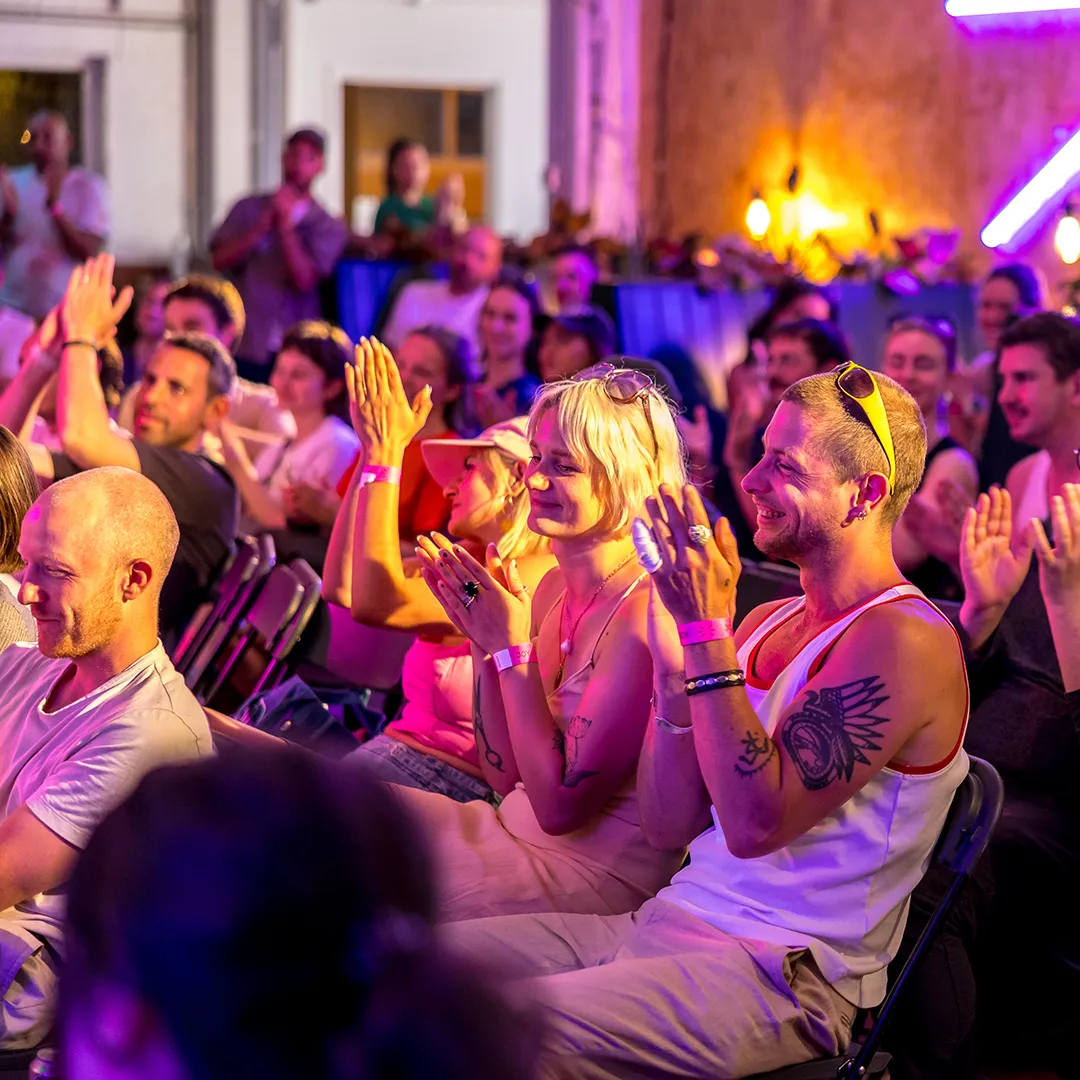
JOY, London Borough of Tower Hamlets for Acrylicize
JOY was a two-day festival of art, culture and creativity hosted by Acrylicize at The Art House in East London, 19-20 June 2025. Led by curiosity and shaped by play, the festival brought together over 500 attendees for hands-on workshops, performances, talks and immersive experiences. From kite-making and screenprinting to live music and spoken word, JOY rejected passive consumption in favour of authentic creative connection, democratising access to high-quality cultural programming in East London.
Describe the context of this project, its neighbourhood and people.
JOY took place on 19-20 June 2025 at The Art House, Acrylicize’s UK headquarters in Bethnal Green, East London. Located on Pritchards Road, just minutes from Broadway Market, the venue sits within one of London’s most culturally diverse yet rapidly gentrifying neighbourhoods - an area where traditional working-class communities intersect with a thriving creative economy.
The Art House functions as both Acrylicize’s working studio and a multifaceted cultural venue, hosting artist residencies, exhibitions, and community programming throughout the year. Its presence reflects a commitment to democratising creativity in an area where rising costs increasingly exclude grassroots artists and local communities from cultural participation.
JOY was conceived during a moment of cultural fragmentation - when digital saturation, political division, and the lingering effects of pandemic isolation left many in the creative sector craving authentic, human-centred connection. The festival responded to this need by providing an accessible space where artists, designers, students, families, and cultural explorers could gather to create, play, and connect.
As a Certified B Corporation, Acrylicize has spent over twenty years working with global brands while maintaining deep roots in local creative communities. JOY represented the culmination of this dual identity, leveraging the studio’s international network to bring world-class artists to East London, while ensuring the programme remained accessible and inclusive. With free daytime programming alongside ticketed evening events, JOY invited both creative professionals and curious locals to participate in kite-making, screenprinting, life drawing, performances, and talks - all anchored by the philosophy: led by curiosity, shaped by play.
Tell us what you did and how the project, event or installation enlivened the place in a creative way?
JOY transformed The Art House, rejecting the conventional festival model of passive consumption in favour of visceral, participatory experiences, inviting attendees to make, collaborate, and experiment, together.
The programme spanned three pillars - Play and Experimentation, Perception and Perspectives, and Disruption and Reinvention. Free daytime programming included screenprinting workshops with Emulsional Support Club and the Working Class Creatives Database, kite-making with SPF50s Jeanne Harignordoquy, and sculpting sessions with celebrated sculptor Wilfrid Wood. A pop-up magazine library alongside Stack Magazines, creative challenges, and an exhibition featuring emerging artists activated multiple spaces simultaneously, allowing visitors to move fluidly between activities.
Evening programming featured performances from international artists including Salomé Wu; Band, Montañera, Worms Magazine, and DJ sets from Auntie Flo (Brian Souza) and Gludo. Behind-the-scenes studio tours gave the public a look under the hood of Acrylicize, offering a closer look at how our studio connects commercial creative work with grassroots culture.
The Art House’s multi-faceted industrial warehouse aesthetic enabled simultaneous programming for diverse audiences. Families crafted in workshop zones during the day while creative professionals attended talks; in the evenings, the space transformed into a performance venue buzzing with live music and spoken word.
This creative layering enlivened the venue, and the surrounding neighbourhood. Foot traffic spilled onto Pritchards Road as attendees arrived throughout the day, with local businesses benefiting from increased visibility. The festival created what Creative Boom described as permission to be human, to be present, and to find connection through the simple act of making things together.
Did the project make a positive social and environmental contribution? If it was a temporary intervention, is there a legacy plan? What happened to its tenants, users, materials and programming?
Social contributions: JOY’s social impact centred on democratising access to high-quality creative experiences in an increasingly exclusionary cultural landscape. By offering free daytime programming and positioning hands-on making at the festival’s heart, we created space for participants often marginalised by London’s creative economy - families, students, working-class communities, and emerging artists.
The Working Class Creatives Database partnership exemplified this commitment. WCCD members received paid opportunities to lead workshops and performances, directly addressing economic barriers facing underrepresented creatives. All participating artists, speakers, performers and hosts were fairly compensated, rejecting the exploitative exposure model common in creative events.
Environmental contributions:
Materials from workshops were deliberately designed for reuse or retention by participants.
Screenprinting workshops used water-based, eco-friendly inks.
Digital programme reduced printed materials.
Venue’s existing infrastructure eliminated need for numerous temporary builds.
Local suppliers prioritised throughout.
F&B partners provided recyclable packaging.
Legacy and continuity: JOY was explicitly conceived as the inaugural edition of an annual festival. The Art House continues its year-round programming, with many JOY attendees now engaging with ongoing workshops, residencies, and exhibitions. The festival has been confirmed for June 2026, building on 2025’s foundation.
Several participants from 2025 have been invited into The Art House’s creative programme, creating tangible pathways from festival attendance to professional opportunity. Workshop materials taken home extend creative practice into participants' lives and communities. The festivals ethos (choosing connection over cynicism, play over polish) has influenced Acrylicize's broader approach to cultural programming and activations, reinforcing the studios mission to celebrate and democratise creativity for all.
Gallery

Sign up to our newsletter
Get updates from The Developer straight to your inbox
Thanks to our organisation members
© Festival of Place - Tweak Ltd., 124 City Road, London, EC1V 2NX. Tel: 020 3326 7238