Get updates from The Developer straight to your inbox Yes, please!




Garden for the Future, East Sussex for The National Trust with Joe Perkins, The Landscaping Consultants, Oli Carter Adventurous Joinery and Kelways Plants
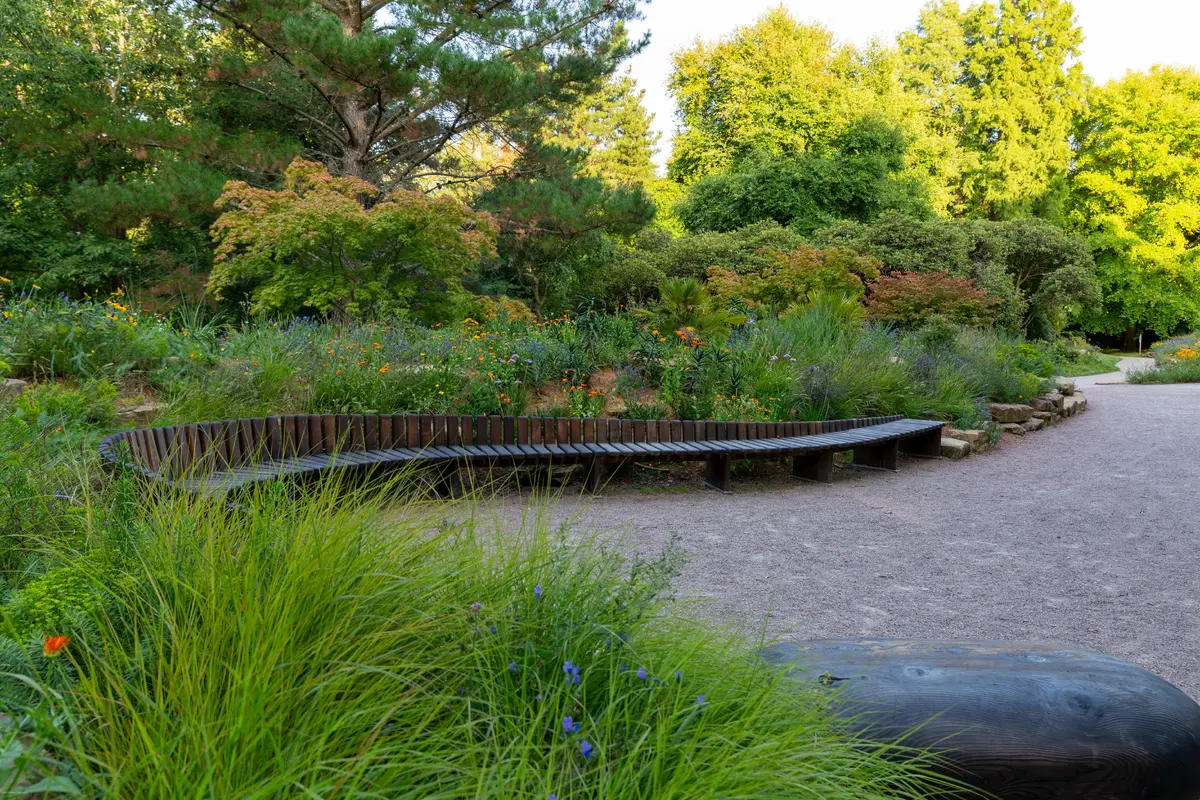
Garden for the Future, East Sussex for The National Trust with Joe Perkins, The Landscaping Consultants, Oli Carter Adventurous Joinery and Kelways Plants
A climate-resilient, accessible addition to the Grade I listed Sheffield Park and Garden, designed by RHS Chelsea award-winner Joe Perkins. Prioritising biodiversity, sustainability, and wellbeing, it features drought-tolerant planting in manufactured soils, permeable paths, reclaimed marine timber boardwalks, and locally sourced stone. Sensitive construction avoids root zones and protects veteran trees. The garden embodies innovation and legacy.
youtu.be/aBV9ptT-JCs?si=o1JNO6Igqh_o8-ct&t=1419
Describe the context of this initiative or project, its neighbourhood and the community it serves.
Sheffield Park and Garden is a Grade I registered landscape in East Sussex, with design inputs by Capability Brown and Humphry Repton, attracting hundreds of thousands of visitors each year. The estate is already feeling the effects of climate change: hotter, drier summers are causing clay soils to crack, while heavier winter rainfall is putting drainage under pressure. This reflects wider concerns in the UK, where gardens are increasingly seen as being “on the frontline” of climate change, visibly changing as the weather shifts.
Garden for the Future makes use of an under-used area, set away from the most sensitive heritage views, and develops the site’s legacy responsibly. Sheffield Park has a long history of experimenting with plants from around the world, and this project continues that tradition — responding to expert calls for UK landscapes to diversify species to protect biodiversity.
The garden is designed for a wide community, including families, schools, and volunteers. It is welcoming, accessible, and focused on wellbeing. By putting climate-adapted planting where visitors can engage with it directly, the project shows that heritage gardens are not static — and that climate adaptation is both urgent and achievable.
Describe the intervention you’ve made, including its purpose and motivation. How will it contribute to climate resilience?
The project combines climate-resilient planting with careful conservation. Recent reporting emphasises that designers need to choose species for future climates, not the past. This redesign therefore focuses on drought-tolerant, heat-resistant, and storm-resilient plants, sourced from regions already experiencing conditions expected in the UK.
The layout respects tree root protection zones, with a screw-pile boardwalk to avoid soil compaction around a veteran oak tree. Heavy clay soils — often waterlogged in the winter — are managed with raised beds filled with free-draining recycled brick and sand overlying the clay soil excavated from new areas of permeable hard landscape surfacing.
Planting is organised into three ecological testing zones:
Dry Exotics • Gondwanan Forest • Temperate Woodland
These zones allow close monitoring of how plants respond to water stress, heat, and cold. Localised data tagging and working closely with colleagues at Kew Gardens and Royal Holloway University allows levels of air humidity, photosynthesis activity and pollinator species to be recorded.
Ongoing management involves National Trust gardeners, ecologists, and volunteers, producing knowledge that can help other heritage landscapes adapt.
Early consultation with local charity user groups and visitors helped to inform priorities. This isn’t just a new garden — it is a live strategy, protecting a national landmark while inspiring climate-aware gardening across the UK.
Explain the environmental and social impact of the project.
The garden delivers environmental benefits that match national priorities. Water efficiency and planting resilience are key aspects:
Lower water use thanks to naturally drought-tolerant plants with no automatic irrigation and no irrigation post establishment.
More pollinators year-round through greater plant diversity. The head gardener and her team continue to monitor levels of butterfly and moth activity which has seen a huge increase relative to the baseline survey information.
Water infiltration reducing waterlogging and runoff. Fully permeable surfacing minimises changes in ground conditions for the established mature trees.
Peat-free growing media. In line with National Trust policy, all plants were grown peat free.
The site acts as a research hub, tracking which species can thrive over the next 50–100 years and offering evidence for other historic gardens.
Social benefits are significant:
• Immersive planting and global references give visitors a sense of discovery and promote wellbeing
• Inclusive seating and paths allow older and disabled visitors to enjoy the garden comfortably
• Guided seasonal activities and live interpretation increase public understanding of climate resilience
• Volunteer involvement develops climate literacy within the local community
The project shows that climate adaptation can create gardens that are richer, more exciting, and more welcoming than before.
Sign up to our newsletter
Get updates from The Developer straight to your inbox
Thanks to our organisation members
© Festival of Place - Tweak Ltd., 124 City Road, London, EC1V 2NX. Tel: 020 3326 7238