Get updates from The Developer straight to your inbox Yes, please!




Designing for Dignity: Co-creation of sheltered housing environments, Edinburgh for the City of Edinburgh Council with AtkinsRéalis
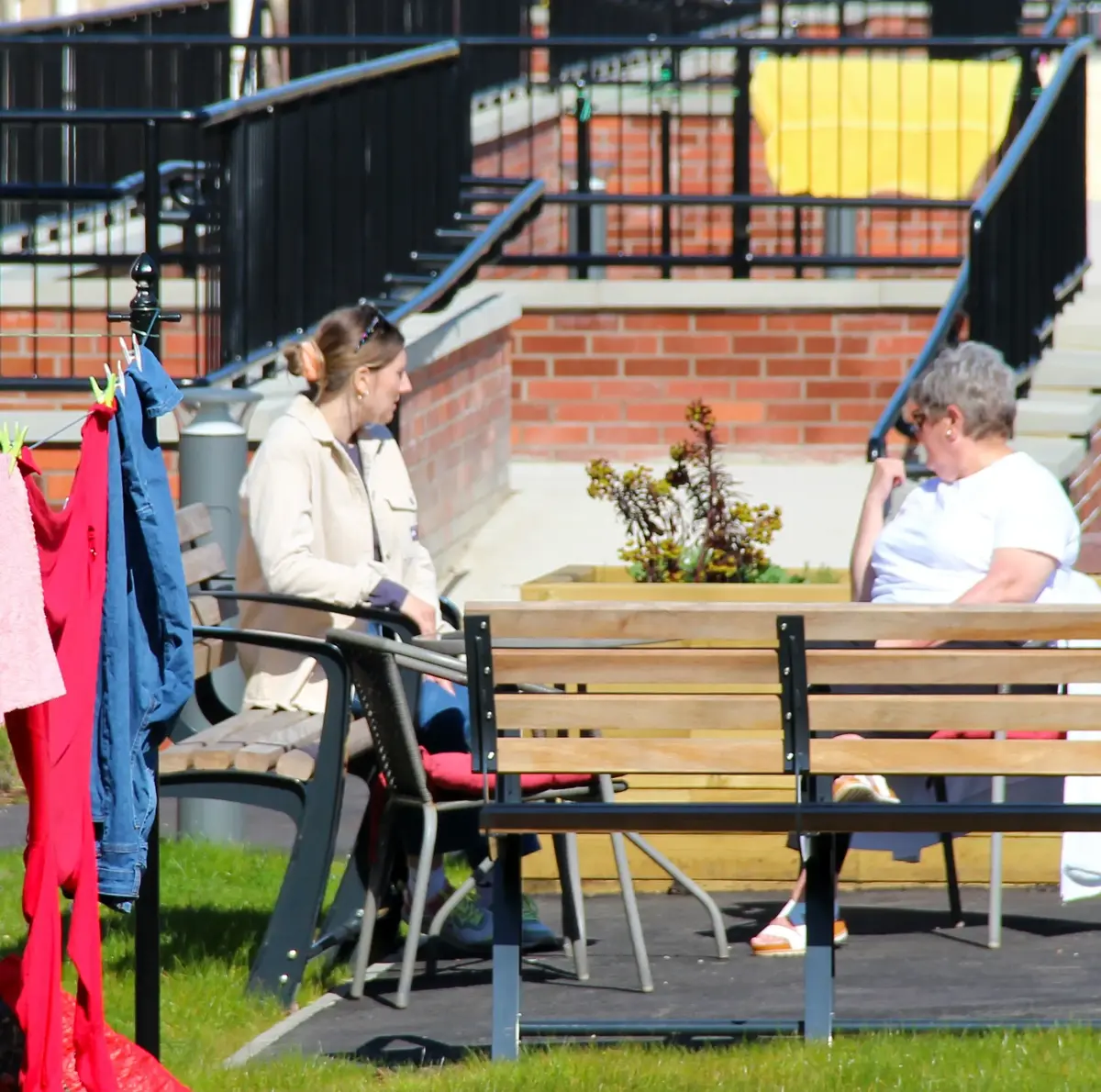
Designing for Dignity: Co-creation of sheltered housing environments, Edinburgh for the City of Edinburgh Council with AtkinsRéalis
Landscape and environment play a crucial role in sheltered housing by enhancing well-being, fostering community, and improving the overall quality of life for residents. The Landscape led AtkinsRéalis multi-disciplinary design team has been working with The City of Edinburgh’s Housing & Homelessness team, delivering multiple environmental improvement projects within several council owned sheltered and social housing estates across Edinburgh.
Describe the context of the community engagement. Why did the engagement take place?
As part of the City of Edinburgh Council’s Environmental Improvement Programme, our specialist team engaged with sheltered housing residents across various sites, working with vulnerable communities to enhance their outdoor environments by creating accessible, safe, and therapeutic spaces that supported their wellbeing and independence. The engagement shaped the design briefs for the external spaces and was vital to ensure the design proposals were not just fit for purpose, but also embodied personal dignity, fostered social connection, and embedded long-term resilience. Via the consultation our design team were able to identify real barriers – both physical and perceived - and propose appropriate design interventions that addressed these. The residents were all aged 60 and above and many were living with complex physical and mental health conditions such as frailty, severe mobility issues, visual impairments, and chronic illnesses such as arthritis and cardiovascular disease. A high percentage of residents had cognitive challenges like dementia and Alzheimer’s and some were housebound or receiving palliative care, which required a highly specialist, professional and sensitive approach. Our tailored approach to engagement empowered vulnerable and aged residents to shape the spaces that mattered most to them.
Who did you engage with and how?
We engaged with sheltered housing residents across multiple sites in Edinburgh. Residents were first contacted through housing officers, wardens, and carers to ensure inclusivity. The primary approach was one-to-one consultation, often in residents’ homes, requiring high professionalism, caring and sensitivity. For residents with cognitive or communication challenges, wardens and health workers were present to ease dialogue and provide reassurance. These visits were followed up by local housing officers to make sure the answers were an accurate reflection of residents’ needs. Across the programme, we conducted over 75 individual consultations across multiple sheltered housing sites which were supported by wider engagement through pop-up events and door-to-door surveys. We used clear, accessible tools such as visual prompts, mood boards, and “shopping lists” of potential design solutions to help residents make informed choices. Engagement also included site walkabouts and small drop-in sessions, but the priority was personal interaction to capture nuanced needs. This approach ensured even the most vulnerable voices shaped outcomes, from sensory planting for cognitive stimulation to safe seating areas and improved lighting. Regular updates and follow-ups built trust and managed expectations, reinforcing that the resident feedback directly influenced design decisions. A tailored, bespoke approach to consultation has been embedded in the delivery of all our sheltered housing estate improvement projects to ensure the designs are inclusive, health-focused and deliver positive outcomes for the residents.
Have you continued the conversation? Will the community stay involved?
Informal post-construction evaluations have been carried out to confirm satisfaction and gather lessons for future projects. Feedback is passed directly to the client and documented to inform future projects as part of the Environmental Improvement Programme. This process allows us to learn from elements that have worked well or have not fully met residents’ needs for any reason, and adapt the scope of upcoming projects accordingly. Follow-ups include communication with site managers and wardens to ensure residents’ feedback is understood and acted upon. The programme fosters long-term involvement through features like community gardens, allotments, and shared spaces that encourage ongoing use and stewardship. Residents are supported by local groups and housing officers to maintain these spaces, ensuring improvements remain relevant and cared for. Future schemes will continue this engagement model, building on relationships established during earlier projects. This sustained dialogue strengthens trust, empowers communities, and ensures sheltered housing environments evolve with residents’ changing needs while embedding lessons learned into design standards.
Sign up to our newsletter
Get updates from The Developer straight to your inbox
Thanks to our organisation members
© Festival of Place - Tweak Ltd., 124 City Road, London, EC1V 2NX. Tel: 020 3326 7238