Get updates from The Developer straight to your inbox Yes, please!




Common Gardens, London Borough of Lambeth for Loughborough Farm and Loughborough Junction Action Group with London South Bank University student design team and farm volunteers
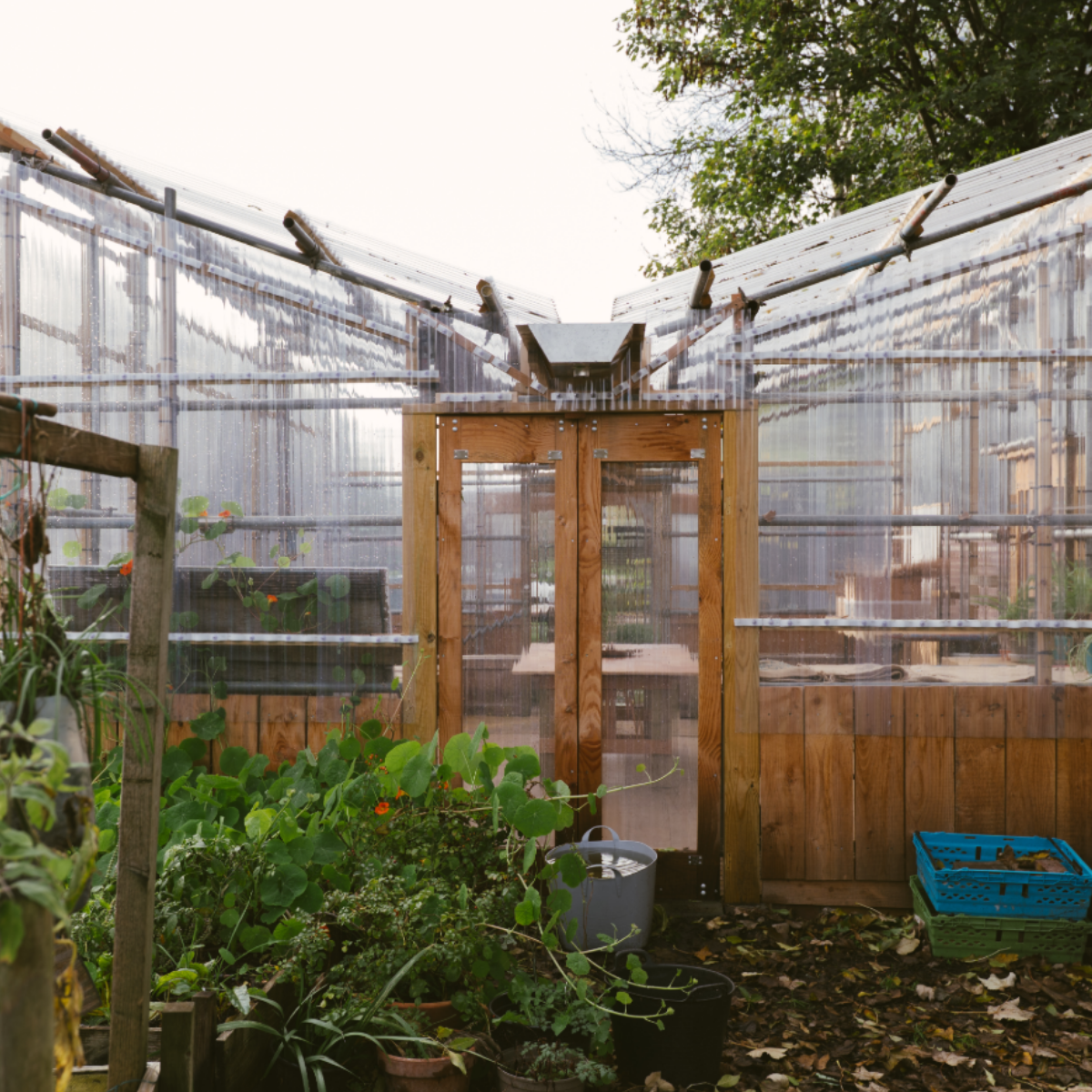
Common Gardens, London Borough of Lambeth for Loughborough Farm and Loughborough Junction Action Group with London South Bank University student design team and farm volunteers
The project is a three-year collaboration between London South Bank University and Loughborough Farm. Students and farm volunteers worked together to revitalise a relocated mindfulness garden, Wildmind Yard. The outcomes of the engagement include outdoor furniture, a small stage and the refurbishment of the farm’s greenhouse, the Plant Room. Constructed primarily from reclaimed materials and built for disassembly, these additions support the community’s long-term stewardship of the site, in addition to practical learning experiences, and new ways to think about community green spaces.
youtu.be/rOamABE78N0?si=bgzefPLdz7fbaM24&t=1683
Describe the context of this project, its neighbourhood and people.
The project emerged from a collaboration between Loughborough Farm and London South Bank University, focused on revitalising a leftover, oddly-shaped strip of land bordering the Loughborough Estate and the railway line. The urban farm, originally established in 2013 by Loughborough Junction Action Group (LJAG), had recently undergone redevelopment. As part of this transition, a small mindfulness garden, which the community called the Wildmind Yard, had to be moved.
The aim of the engagement was to co-design and construct the new infrastructure to reimagine and reinstate the garden: outdoor furniture, a small stage, and a refurbishment of the original; Plant Room; (a greenhouse-gathering space, first designed by Tom Dobson). These additions support growing activities and social gatherings, contributing to the communitys stewardship over the site.
Environmental and social values were at the heart of the process: all structures were made from mostly reclaimed materials sourced from London suppliers. The participatory open process aimed to transform design and construction into opportunities to share, bond, learn and empower students, volunteers and locals. The initiative also addressed wider challenges typical of urban leftover spaces—awkward site outlines, noise from the railway, and limited visibility— turning constraints into opportunities for creativity and collective learning. The project was supported by students, farm volunteers, volunteers from LJAG, whose involvement ensured an embeddedness in the local context.
Tell us what you did and how the project, event or installation enlivened the place in a creative way?
n this collaboration, engagement itself was the project; the structures, catalyst and inevitable outcome. Students and volunteer’s contributions have been a central component of the process from conceptual design to final build. Regular meetings enabled community members to guide decisions, share feedback, and take ownership of the outcomes. For students, the project offered a rare opportunity to work with real clients and feel that their contributions made a tangible impact. For everyone involved, the project meant an opportunity for new connections, new skills and new ways of thinking about space, making and life. Today, there is an active mud kitchen in the Wildmind Yard, a small space for staging events, a plant room for gathering and growing, supporting the sustainability of the farm. These outcomes are a record of the learnings and sharing, as well as the infrastructure for further activities. One of the festivals made the news. More recently, delegates from Enfield Council inquired about the design drawings of the Plant Room.
Did the project make a positive social and environmental contribution? If it was a temporary intervention, is there a legacy plan? What happened to its tenants, users, materials and programming?
As the Loughborough Farm community and regular gardening activities had been well established and maintained by the time the engagement started, the project can take little credit for creating the community or keeping it involved.
The relationship between the project team and the farm is ongoing. The Wildmind Yard is now a new feature of the farm and is integrated into its long-term vision. Community members continue to maintain and activate the space through seasonal gardening, workshops, and public events. The project continues as a process in the maintenance, small modification and constant reinterpretations of the spaces as the community keeps hold of the farm. Its DYI team, which always existed, has now completed their new tool shed and composters. With time, the farm conducted more in-house workshops during the festivals and relied less on external speakers.
Future collaboration plans include exploring how the garden and its mental health benefits can inform local policy and support infrastructure for similar grassroots spaces. As the site evolves, so does the conversation—shifting from building physical structures to nurturing long-term wellbeing and resilience through place-making.
Gallery

Sign up to our newsletter
Get updates from The Developer straight to your inbox
Thanks to our organisation members
© Festival of Place - Tweak Ltd., 124 City Road, London, EC1V 2NX. Tel: 020 3326 7238