Get updates from The Developer straight to your inbox Yes, please!




Broad Street Yards, Bath for Bath and North East Somerset Council with Arup and Turner.Works
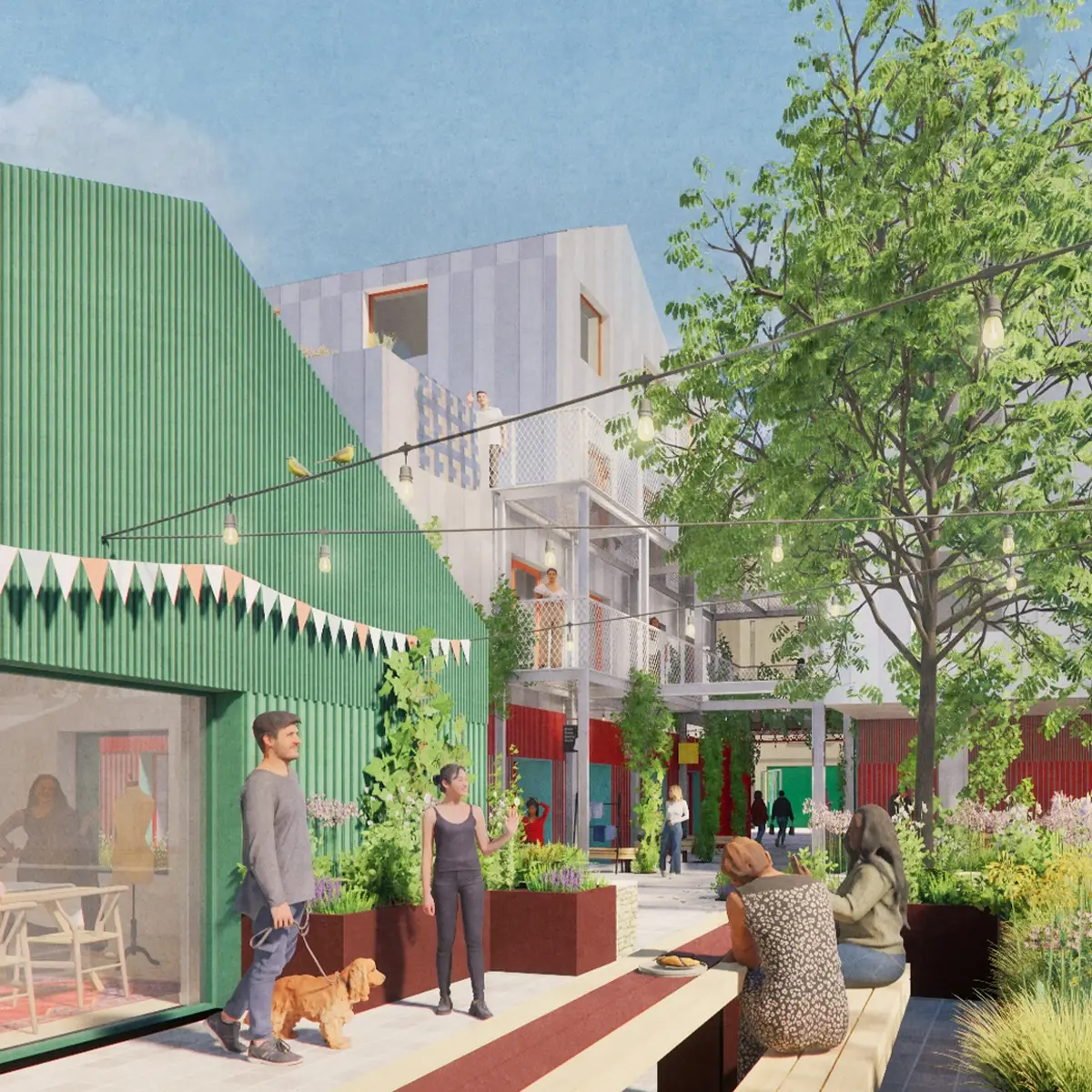
Broad Street Yards, Bath for Bath and North East Somerset Council with Arup and Turner.Works
Broad Street Yards transforms a hidden car park in the heart of Bath into a vibrant courtyard for the city’s fashion and textile makers, a place where craft, commerce and community meet. Designed for makers, traders and visitors, it combines studios, micro-retail and public spaces that nurture collaboration and creativity. Rooted in Bath’s heritage of craftsmanship, the project weaves contemporary design into the city’s historic fabric, supporting local enterprise, enhancing public life and reinforcing Bath’s identity as a place where creative industry and community thrive.
Describe the context of this project, its neighbourhood and people.
Broad Street Yards sits in the heart of Bath’s historic centre, within the Milsom Quarter; a place known for its rich architectural heritage, independent spirit, and creative energy. Tucked between Broad Street and Milsom Street, the site is currently a car park and was historically a back land space with limited visibility and permeability, often bypassed by the city’s footfall. The project transforms this overlooked corner into a vibrant destination, reconnecting two of the city’s most characterful areas and bringing new life into a forgotten pocket of the city. The surrounding neighbourhood is made up of Grade II Listed buildings, with bustling ground-floor retail and upper floors occupied by residents and small creative enterprises. Broad Street Yards builds on this layered energy, creating a series of lively yards, workshops, and courtyards where makers, traders, and neighbours can meet, work, and socialise.
The project proposes a mix of workspaces, micro-retail units, and public courtyards that encourage chance encounters and shared activity; a place to pause, make, and exchange ideas. With a focus on supporting local enterprise and generating social value, and taking cues from projects like Pop Brixton (also by Turner Works), the scheme supports Bath’s growing creative community, particularly in fashion, design, and craft, and reinforces the city’s reputation as a place where heritage and innovation meet.
Please describe your approach to this future place and its mix of uses. How will it function as a vibrant place? How does it knit into, and serve the needs of, the wider area?
Our approach to Broad Street Yards transforms a hidden backland site into a connected, inclusive, and vibrant destination. The scheme combines the retrofit of a listed townhouse with three new buildings, introducing flexible creative workspaces, micro-retail units, food and beverage offerings, and public courtyards that support local enterprise and foster community connection. Studios range from 15 to 61 m², tailored to the needs of start-ups and small creative businesses in Bath’s growing fashion and design sectors, forming part of a ‘stepping stone economy’ that enables makers and designers to grow and scale their work locally. At ground level, active frontages with shops and cafés spill into the yards, creating places to pause, meet, and discover new makers. Workspaces sit alongside public realm and green spaces, including a rooftop terrace with views over the historic city and Bath Skyline Walk; a shared space to gather, reflect, and connect. Broad Street Yards will become a hub for making, trading, and gathering. It strengthens pedestrian links between Broad Street, Milsom Street, and Walcot Street, stitching together Bath’s commercial and cultural heart. The project also aligns with wider strategic opportunities, including the potential relocation of Bath Artists Studios and alignment with the Fashion Museum and Locksbrook Creative Hub proposals. By responding to both local needs and Bath’s evolving creative economy, Broad Street Yards will be a place where people come to make things happen; where heritage, enterprise, and everyday life meet.
Please explain the governance of the project, such as its viability, purpose, motivation and any consultation and community engagement undertaken.
The governance of Broad Street Yards is led by Bath North East Somerset (BNES) Council, with design and delivery coordinated by Turner Works and Arup. The project forms part of the wider Milsom Quarter strategy and has been shaped through formal pre-application review, stakeholder engagement, and public consultation events in 2024. The development aims to transform a hidden urban brownfield site within a heritage context into a vibrant hub for creative enterprise, supporting Bath’s fashion and interiors sectors and enabling start-ups and SMEs to thrive in the city centre. Viability has been tested through multiple scenarios, including the refurbishment of adjacent existing buildings to increase lettable space. The preferred approach balances density, permeability, and commercial feasibility, delivering 1,107 m² of net lettable space alongside new public realm and green infrastructure.
Outcomes from public consultation and stakeholder engagement directly shaped the scheme, leading to increased permeability, enhanced green interventions, and a focus on flexible creative spaces. Feedback resulted in adjustments to workspace sizes, prioritisation of public realm improvements, and the integration of meanwhile uses, ensuring the scheme responds to local needs and aspirations. Further engagement is planned during the next design stages to refine the design, delivery, and experience of this future creative hub.
Sign up to our newsletter
Get updates from The Developer straight to your inbox
Thanks to our organisation members
© Festival of Place - Tweak Ltd., 124 City Road, London, EC1V 2NX. Tel: 020 3326 7238